1. Identify What You Want to Sell
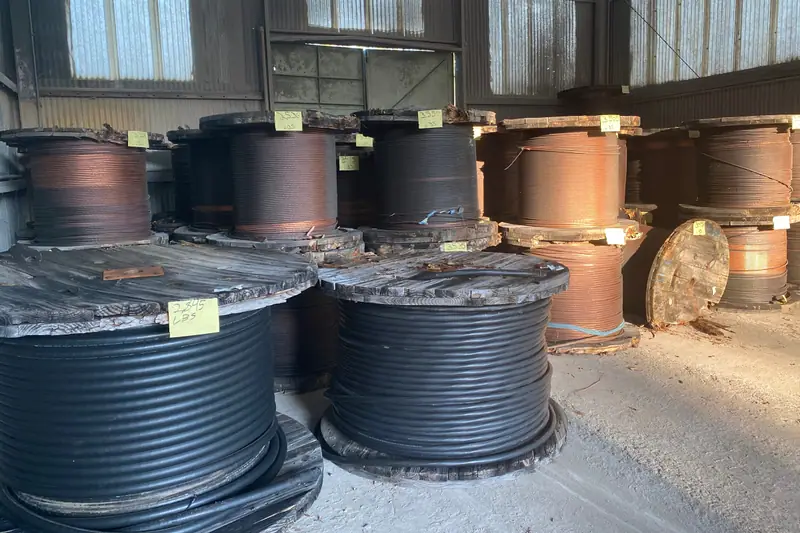
Start with wire that could be used again: new full reels, partial reels, boxed coils, cut lengths, cancelled-order material, or distributor and plant overstock. Project leftovers also qualify for review. Used cable may be suitable when it remains reusable, including decommissioned power or battery cables with lugs and re-reeled cable.
Separate the lot by wire type, size, and packaging where practical. A list that distinguishes THHN / THWN-2 singles from tray cable or power cable is more useful than one total for mixed wire. Compare your material with the wire and cable we buy, and identify damaged or uncertain items separately.
2. Photograph Reel Tags, Jacket Print, and Cut Ends
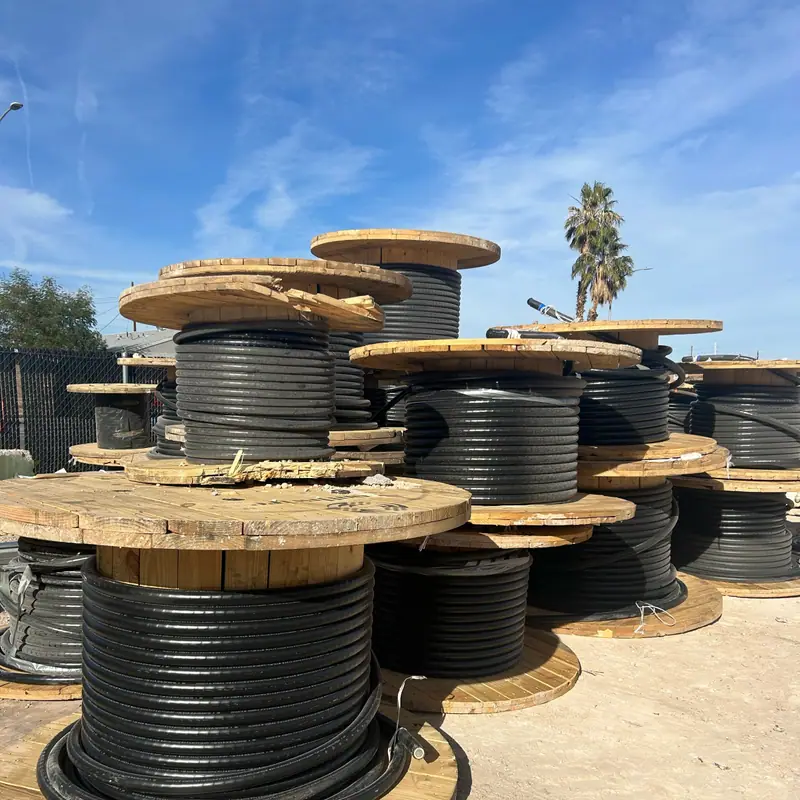
Take a whole-lot photo so we can see the reels, coils, boxes, and loose lengths together. Then photograph each distinct reel tag, the printed jacket legend, and accessible cut ends. Keep the lettering readable rather than trying to fit every detail into one distant picture.
Tags and jacket markings can identify conductor size, insulation type, voltage rating, and other product details. For partial reels, show both the label and the wire remaining on the reel; the original tag footage may not represent what is left. Our wire photography guide explains which views make a lot easier to review.
3. Send Your Photos and Footage Estimate
Call 951-403-5738 to discuss the lot and how to send your photos, use the online form, or email industrial832@gmail.com. Include your business name, contact information, material location, and a list or footage estimate. You can request a written offer with the information you already have.
List each item separately when possible, including its size, type, reel or coil count, and estimated length. Mark estimates as estimates instead of copying an original reel quantity that may no longer apply. For opened reels, our guide to measuring wire left on a reel can help you prepare a more useful description.
Have reel tags or a footage list? Send photos and we will review the lot.
Get an offer4. Learn How to Sell Surplus Wire on Written Terms
We review the photos and material information and make a written offer before pickup. This part of the sell wire process gives you terms to review before arranging collection. Check that the description matches the items you intend to sell, especially when the lot contains several sizes or both full and partial reels.
We buy wire for resale and reuse, not simply for its metal content. Reusable wire is usually worth more sold as product than sold as scrap by weight because the buyer is paying for usable wire. Read about surplus wire value versus scrap price if you are deciding which route fits your lot.
5. Confirm Ownership and Payment Arrangements
We verify the seller and proof of ownership, such as an invoice, purchase order, closeout paperwork, or company letter, and keep a written purchase record. Review the Texas wire seller paperwork guide when gathering your documents.
Payment method and timing are confirmed in writing before pickup. If you need payment by check or ACH, raise that request while reviewing the offer so the agreed arrangement is clear. Do not assume a particular payment method or payment timing until it appears in the written terms.
6. Arrange Texas Pickup or Houston Drop-Off
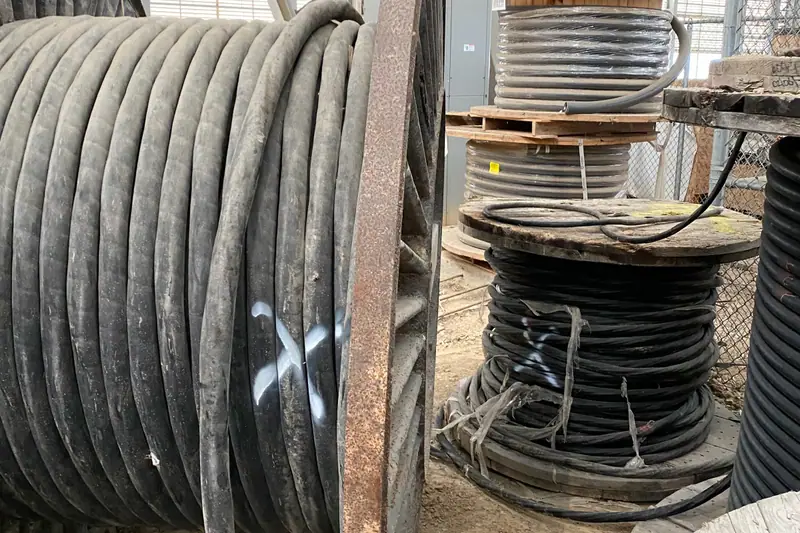
We arrange pickup anywhere in Texas. Tell us where the material is stored, how many reels or packages are involved, and what access or loading restrictions apply. Clear information about the lot helps establish pickup arrangements without relying on guesses about reel size or site access.
You can also drop off by appointment at 6402 McGrew St, Houston, TX 77087, in southeast Houston near I-45 and Loop 610. Call 951-403-5738 first rather than arriving without an appointment. Our Texas service area information covers the statewide pickup option.
7. Check the Lot Against the Written Terms
At pickup or drop-off, we check the count against the written terms. Keep the listed reels, coils, boxes, and cut lengths identifiable so they can be matched to the agreed lot. If material has been used, moved, or removed since the offer, tell us before the scheduled handoff.
If wire is not reusable, we say so honestly; it may belong with a scrap recycler instead. Our focus is surplus product that can return to use, not a mixed scrap load. Keeping uncertain material separate makes the final check more straightforward.