Sell New Electrical Wire Before It Becomes Scrap
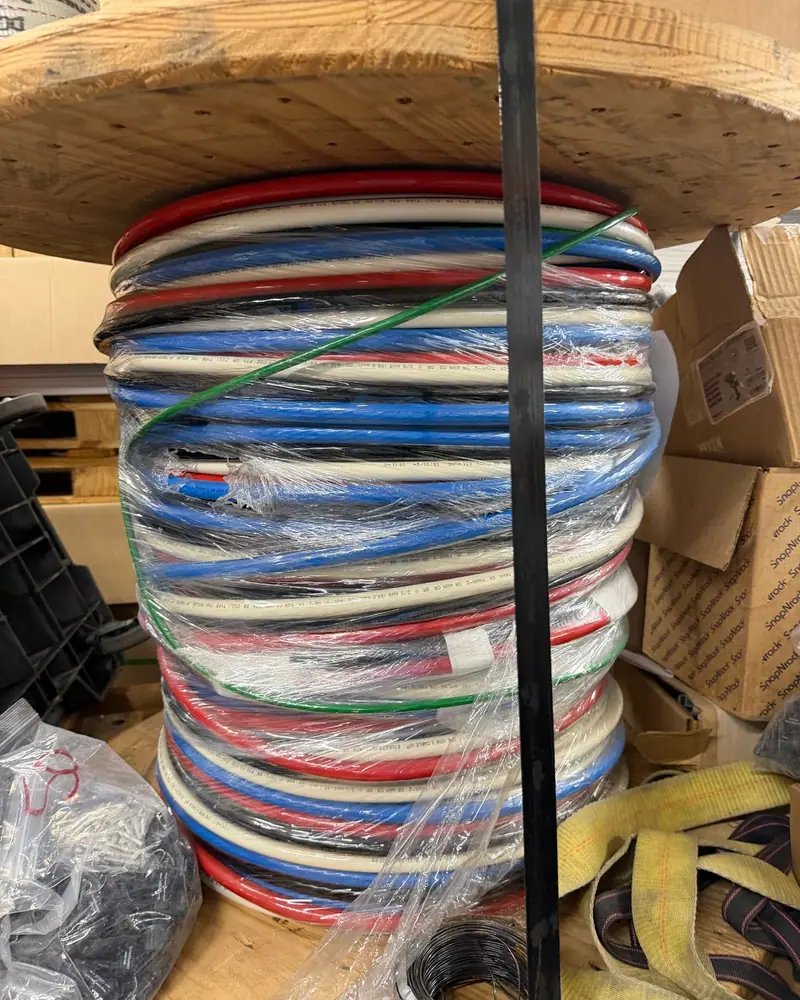
Unused wire left after a project, cancelled order or inventory change can still be useful electrical product. We buy electrical wire for resale and reuse, including copper building wire, aluminum feeders and power cable. You do not need to strip insulation or remove usable packaging to request an offer.
New, identifiable material in good condition is generally the strongest category for reuse. Reusable wire is usually worth more sold as product than sold as scrap by weight because the buyer is paying for usable wire, not just metal. Our guide to surplus wire value versus scrap price explains that distinction without treating every reel as equally valuable.
What Makes Unused Electrical Wire Look New?
Unused means the wire has not been installed or put into service. Original boxes, readable reel tags, protected ends and undamaged insulation help support that description. A sealed package is helpful, but opening a box or cutting wire from a reel does not automatically make the remaining material used.
Recent manufacturing date codes help identify inventory and its storage history, but a date alone does not establish condition. Older unused wire may still be reusable; newer material may have damage from moisture, handling or outdoor exposure. Tell us what you know about storage, and photograph any concerns rather than hiding them.
- Photograph sealed end caps or other end protection, along with any exposed cut ends.
- Keep manufacturer labels, catalog numbers, footage markings and date codes with the material.
- Disclose wet boxes, broken reel flanges, faded markings, jacket cuts or evidence of prior installation.
Full Reels, Open Boxes and Unused Cut Lengths
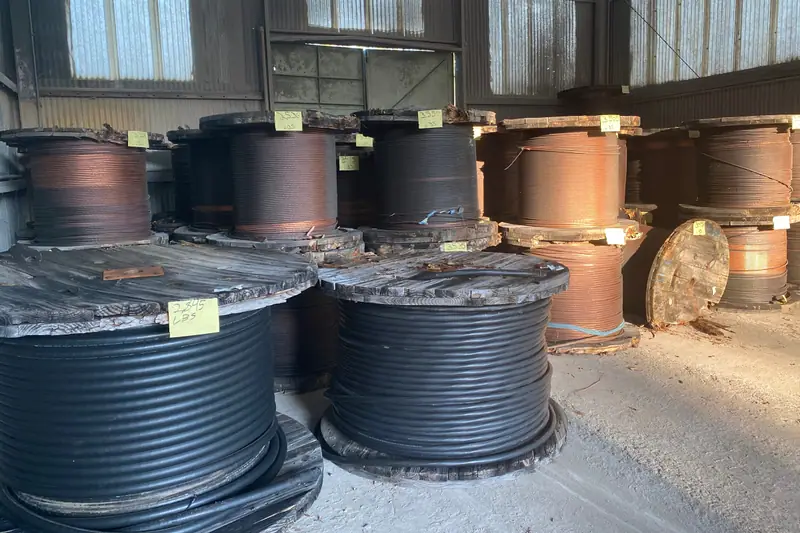
You can sell unused electrical wire without having a factory-full reel. We review full reels, partially used reels containing unused wire, boxed coils and separate cut lengths. For open packaging, explain what was removed and how you estimated what remains.
Keep different sizes, colors and cable types separated when making your list. A reel of black 500 kcmil copper feeder cable is a different item from several boxes of 12 AWG building wire, even if both came from the same project. Our partial reels and cut lengths guide covers how to describe these lots.
If you have surplus electrical wire for sale from a distributor shelf or plant storeroom, preserve the original inventory labels. List each reel or box separately where practical, then group matching items together so the photos and quantities can be checked against one another.
Have reel tags or a footage list? Send photos and we will review the lot.
Get an offerIdentify the Wire Type, Size and Rating
Start with the jacket print legend and reel tag rather than judging wire by its appearance. Include conductor material, AWG or kcmil size, insulation designation, voltage rating and conductor count where applicable. For multiconductor cable, photograph enough of the printed legend to show the complete identification.
Common unused inventory includes THHN/THWN-2 building wire, XHHW-2 feeders, NM-B cable, tray cable and control cable. If your lot is mostly building wire, our THHN and THWN-2 wire page provides a more focused starting point. For a mixed inventory, compare your labels with the wire and cable we buy.
Do not guess a rating from insulation color or reel size. If a label is missing, send clear jacket photos and say which details are unknown; our wire reel tag guide shows which fields to look for.
Photos That Help Us Review New Wire
Begin with a wide photo showing the whole lot, then photograph each distinct material type. Include readable tags, jacket markings, cut ends and packaging condition. Good photos help us distinguish an intact factory reel from a partial reel or a collection of separate lengths.
For footage, use a known inventory count or remaining-length markings when available. If you only have an estimate, label it as an estimate and explain how you reached it. Do not describe a reel as full solely because the flanges hide the remaining wire.
- Include a close-up of each different tag, keeping text in focus and out of glare.
- Show the wire surface and both reel flanges, including any damage.
- Note box counts, individual cut lengths and whether lengths are continuous.
- Keep matching photos and list entries together; follow our wire photography guide for a practical checklist.
A Written Offer Before Texas Pickup
Send your photos and material list through the online form, by email at industrial832@gmail.com, or contact us by phone at 951-403-5738. We review the material and make a written offer before pickup. Payment method and timing are confirmed in writing before pickup as well.
We verify the seller and proof of ownership, such as an invoice, purchase order, closeout paperwork or company letter, and keep a written purchase record. See our Texas wire seller paperwork guide for what to prepare.
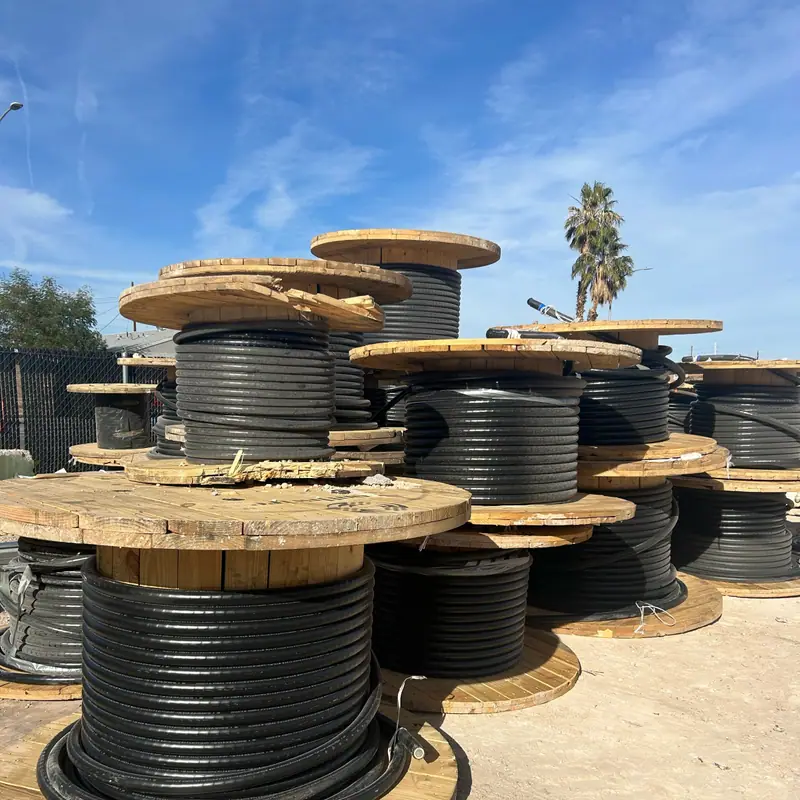
We arrange pickup anywhere in Texas, or you can drop off by appointment at 6402 McGrew St, Houston, TX 77087, in southeast Houston near I-45 and Loop 610. Call first before bringing material. At pickup or drop-off, we check the count against the written terms.
Keep Unused Reels Ready for Review
Leave tags attached and keep boxes, coils and reels protected from moisture and physical damage. Preserve existing end caps, and avoid dragging cable ends across the ground. If packaging has already deteriorated, photograph it before moving or repacking the wire.
Separate installed takeouts from unused inventory so each can be evaluated accurately. We also review used cable that remains reusable, but it should not be described as new. If material is not reusable, we will say so honestly; it may belong with a scrap recycler instead.
When you are ready to sell new electrical wire, request a written offer with the information you have. Identify any uncertain quantities or condition issues so the review starts with a clear description of your lot.