Surplus wire vs scrap: two different ways to value the same material
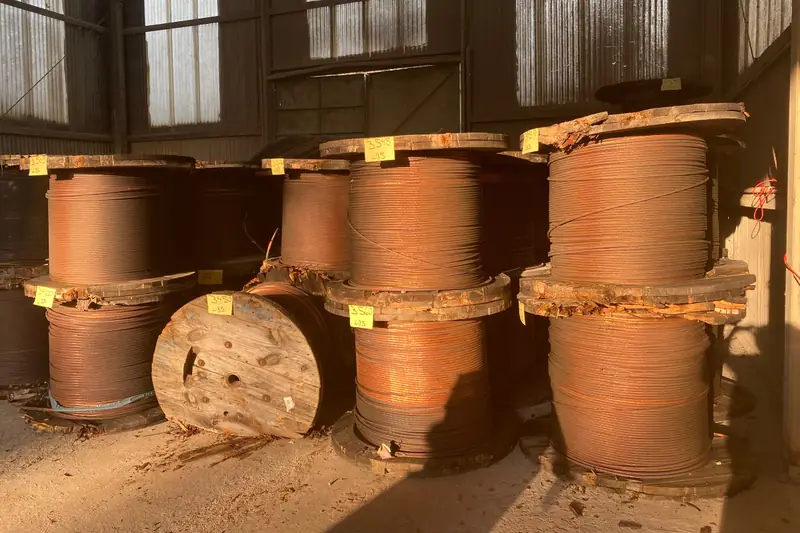
The scrap value of wire is based on recoverable metal, its weight and the material's scrap classification. Insulation, jackets and other nonmetal components affect what can be recovered. A scrap transaction does not preserve the cable's usefulness as an electrical product.
A reusable-wire offer considers the complete product: conductor material, gauge, insulation type, voltage rating, footage and condition. A readable reel tag and an intact jacket can help identify something another buyer can use without first recovering the metal.
So, is surplus wire worth more than scrap? Usually, reusable wire is worth more sold as product because the buyer is paying for usable wire rather than metal alone. That does not mean every leftover qualifies; our review starts with whether the material can reasonably be resold for reuse.
Which leftover wire still qualifies as reusable product?
New and unused full reels are straightforward to describe, but they are not the only candidates. We also review partial reels, boxed coils, cut lengths, cancelled-order material, project leftovers, and distributor or plant overstock.
Used cable can qualify when it remains in reusable condition. Examples include decommissioned power and battery cables with lugs, as well as re-reeled cable. Used status alone does not settle the question; identifiable construction, condition and usable length matter.
Keep different wire types separated when preparing your list. A reel of THHN building wire, a length of tray cable and a battery cable assembly are different products, even if all contain copper. Our wire and cable buying overview helps you organize the lot by type.
The product details that matter beyond copper weight
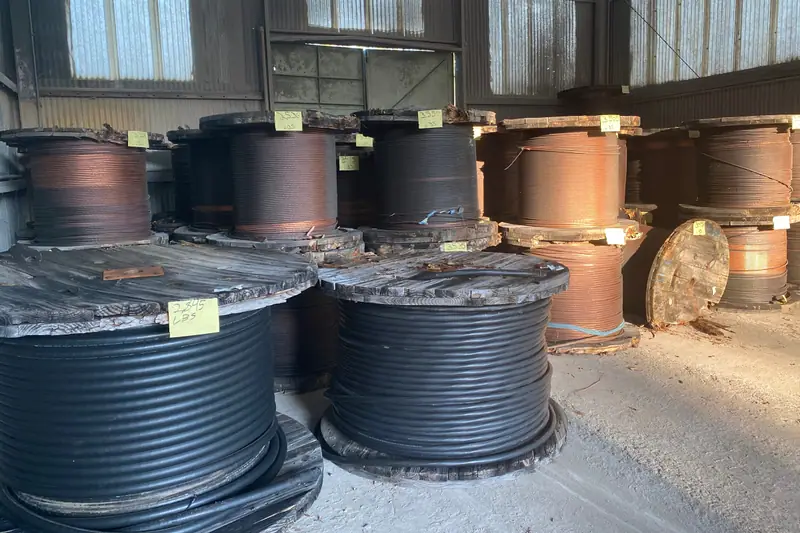
Weight does not tell us whether a reel contains one continuous run or several short pieces. It also cannot establish insulation rating or whether the jacket is damaged. Two lots with similar metal weight may have very different potential for resale.
For a product review, record what the tag and jacket actually say rather than guessing. Include AWG or kcmil size, copper or aluminum conductor, insulation designation, voltage rating, conductor count where applicable, and footage. Describe packaging and visible damage separately.
If the remaining footage is uncertain, label it as an estimate. Explain whether the cable is continuous or made up of separate lengths. Our guide to partial reels and cut lengths covers why those distinctions matter when describing leftovers.
Have reel tags or a footage list? Send photos and we will review the lot.
Get an offerBefore stripping wire, preserve the option to sell it intact
Stripping insulation changes an insulated electrical product into exposed conductor. Cutting a long run into short pieces also removes options for reuse. Before doing either, check whether the intact material has a resale path.
Leave readable reel tags attached and avoid removing jacket sections just to show the metal underneath. Photograph an existing cut end instead. Keep usable lengths separated from damaged pieces so their condition and footage can be assessed without confusion.
Bare copper is not automatically scrap, either. Identifiable bare conductor on a reel may still be reusable product, unlike a mixed bin of stripped offcuts. See our bare copper wire buying page for the information to include when describing that material.
When damaged or unidentified cable belongs in the scrap category
Some wire no longer has a practical reuse path. Significant jacket damage, heat damage, corrosion or missing identification can make a product difficult to assess or unsuitable for resale. Short, mixed offcuts also differ from identified lengths that can serve a usable purpose.
Do not assume that every old reel is scrap, or that every clean-looking reel is reusable. Photos need to show both identifying details and actual condition. Tell us about storage exposure, known damage, splices and any uncertainty about the material.
If the wire is not reusable, we say so honestly; it may belong with a scrap recycler instead. Texas Wire Buyers buys reusable surplus product, not material solely for metal recovery. For decommissioned material, our used electrical wire guide explains what to show for review.
Build a useful comparison with photos, footage and an intact lot
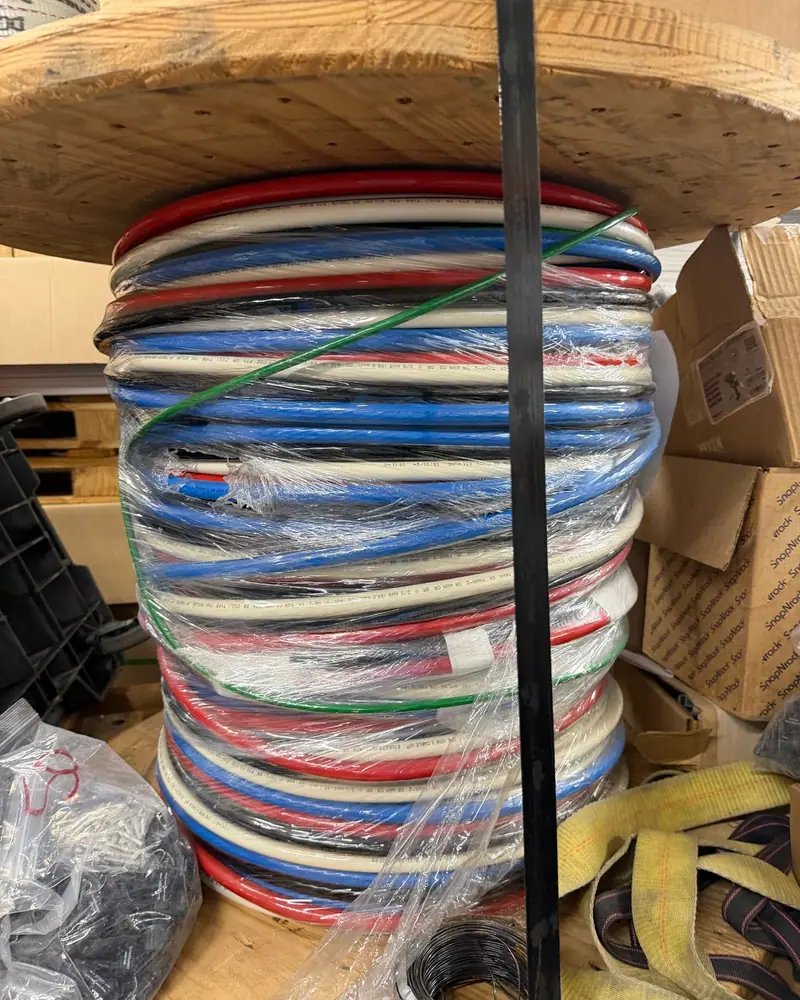
To compare surplus wire vs scrap meaningfully, first identify what you have. A product offer needs more detail than a total lot weight. Keep your inventory organized by wire type, size and length so the offer can describe the actual material.
Send photos of the reel tags, jacket print legend, cut ends and the whole lot, plus a list or footage estimate. Include damage rather than photographing only the clean sections. Our wire photography guide explains the views that help us evaluate a lot.
We verify the business seller and proof of ownership, such as an invoice, purchase order, closeout paperwork or company letter, and keep a written purchase record. Review the Texas wire seller paperwork guide before preparing the material for sale.
Get a written reusable-wire offer before arranging Texas pickup
Send your information through the online form, call 951-403-5738, or email industrial832@gmail.com. We review the material and make a written offer before pickup. Payment method and timing are also confirmed in writing before pickup, so the comparison is based on stated terms.
We arrange pickup anywhere in Texas. You can also drop off by appointment at 6402 McGrew St, Houston, TX 77087, in southeast Houston near I-45 and Loop 610; call first. At pickup or drop-off, we check the count against the written terms.
Keep reels, coils and cut lengths intact while the lot is being reviewed. Use Get an Offer to submit your photos and inventory, or review how our buying process works before preparing a shipment or appointment.