Sell Used Electrical Wire as Product, Not Scrap
We buy used wire and cable that remains in reusable condition, including material removed during equipment changes, temporary-power removal and decommissioning. A previous installation does not automatically make cable scrap. Its identification, condition, usable length and handling history help determine whether it can be offered for reuse.
As a used electrical wire buyer, we need more than a metal weight. Keep readable jacket markings, length information and matching cable sets together so we can understand the lot. Our guide to surplus wire value versus scrap price explains why usable cable is usually worth more as product than as metal by weight.
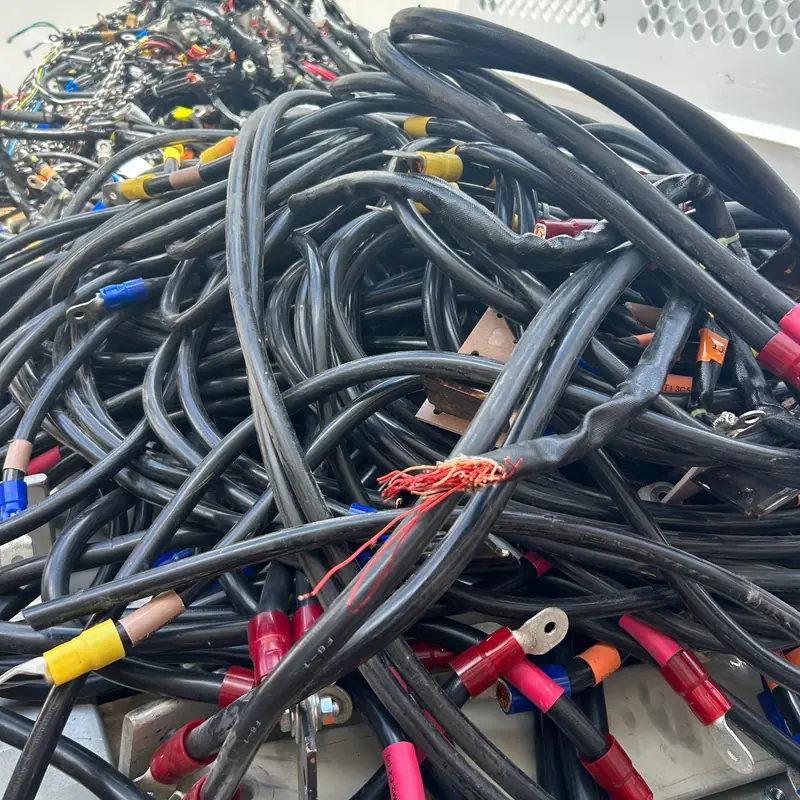
Pulled Power Cable, Battery Leads and Re-Reeled Lengths
Useful candidates include power cables pulled from temporary installations, decommissioned data center power cables and battery energy storage system cables with lugs. Re-reeled cable can also qualify when its markings remain readable and its condition supports reuse. Tell us what the cable connected, why it was removed and how it was stored afterward.
Describe the material as it actually sits today rather than grouping everything under “old wire.” A set of terminated battery leads needs different information from a reel of pulled feeder cable. For flexible leads, our welding cable information gives another useful way to identify the material before sending photos.
- For terminated cables, list the number of pieces, individual lengths and conductor sizes.
- For pulled feeder cable, photograph the jacket legend and note any known insulation or voltage rating.
- For re-reeled cable, identify which tag information belongs to the cable now on the reel.
What Separates Reusable Used Cable From Scrap
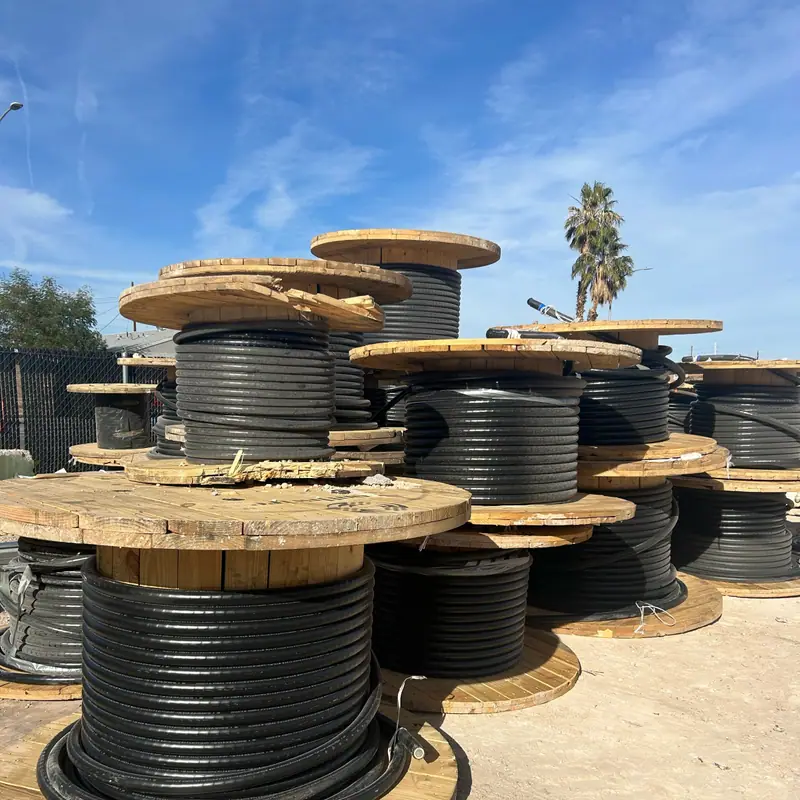
Intact insulation, identifiable construction and practical lengths help support a reuse review. Show cuts, flattened areas, cracked jackets, exposed conductors, corrosion and signs of heat damage rather than leaving them out of the photos. We need to see the condition of the whole lot, not only its cleanest section.
Cable that is badly damaged, burned, contaminated or reduced to short mixed pieces may not be reusable. If the material does not qualify, we say so honestly; it may belong with a scrap recycler instead. Do not strip usable cable before asking for an offer, because removing its insulation eliminates its value as insulated cable.
You do not need to decide the final category yourself. Keep questionable pieces separate and describe what you know about them so they are not confused with the better material.
Have reel tags or a footage list? Send photos and we will review the lot.
Get an offerShow Lugs, Cable Markings and Actual Lengths
When you sell used cables with crimped lugs, photograph both ends and the cable between them. Include close-ups of lug markings, stud openings, heat-shrink ends and any exposed conductor. Tell us about loose terminals, bent lugs or missing insulation so the offer review reflects the actual condition.
For jacketed cable, send a clear photograph of the printed legend showing whatever size, conductor material, type and rating remain visible. Include reel tags, cut ends and a wide view of the entire lot. Our wire photography guide explains how to organize useful images without losing the details.
Give measured lengths where available and label estimates as estimates. For mixed partial reels and cut lengths, list each reel or group separately instead of reporting one combined footage figure.
Keep Used Cable Lots Identifiable Before Pickup
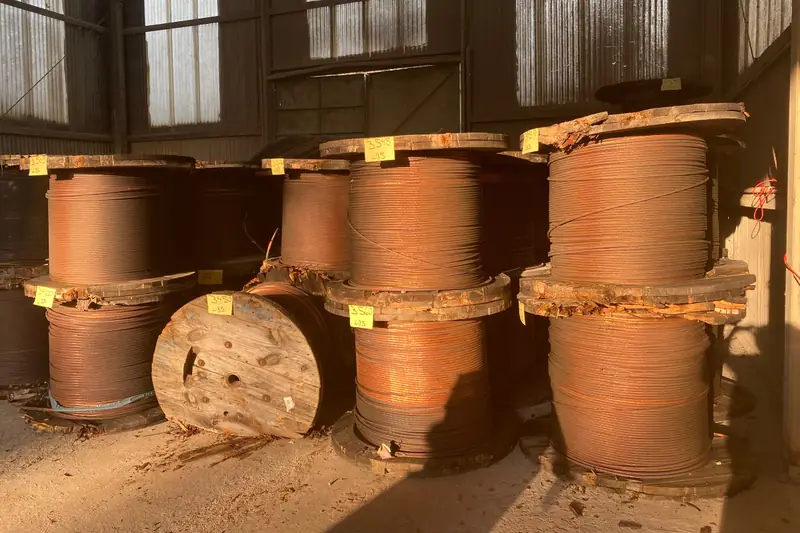
Leave readable tags attached and keep matching cable sets together. Separate different conductor sizes, cable types and conditions where practical, and label each group to match your list. Do not assume that an old reel tag describes cable that has since been wound onto that reel.
Keep cut ends protected from further damage and avoid dragging terminated leads by their lugs. Tell us whether the material is on reels, in coils, in bins or loose, and describe access to the storage area. For larger lots, our wire reel selling guide covers the information to gather about reels and their contents.
Written Offers and Texas Pickup for Used Wire
Start by sending photos and a list or footage estimate through the offer request form, by phone at 951-403-5738 or by email at industrial832@gmail.com. We review the material and make a written offer before pickup. Payment method and timing are also confirmed in writing before pickup.
We verify the seller and proof of ownership, such as an invoice, purchase order, closeout paperwork or company letter, and keep a written purchase record. See our Texas seller paperwork guide for what to prepare.
We arrange pickup anywhere in Texas, or you can drop off by appointment at 6402 McGrew St, Houston, TX 77087, in southeast Houston near I-45 and Loop 610. Call before bringing material to the location. At pickup or drop-off, we check the count against the written terms.
Keep Unused Leftovers Separate From Pulled Cable
A project closeout can contain both used cable and untouched inventory. Separate new full reels, unused partial reels, boxed coils and unused cut lengths from pulled material. Identify cancelled-order material, distributor or plant overstock and project leftovers separately so we can review each category accurately.
If you also need to sell surplus electrical wire that was never installed, include it in your submission with its condition clearly labeled. Used cable buyers need an accurate picture of what is available; combining new and used material under one description can obscure useful differences in identification, packaging and condition.