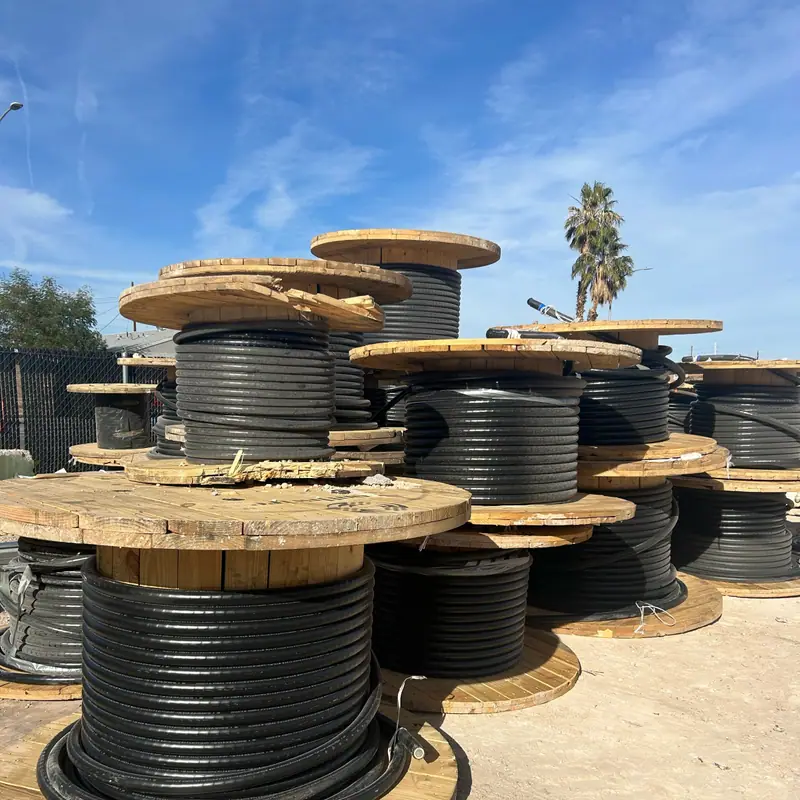
Electrical Contractors with Leftover Wire
We buy electrical wire left after installation work, including new and unused full reels, partial reels, boxed coils and usable cut lengths. Your lot might include THHN/THWN-2 conductors, XHHW-2, MC cable or NM-B cable that no longer has an assigned job.
Keep reel tags and coil labels with the material rather than combining unidentified lengths. Our guide for electrical contractors selling surplus wire covers job leftovers; photos showing conductor size, insulation rating and remaining footage help us review what you have.
General Contractors Handling Project Closeouts
Project closeout can leave reels in laydown areas, storage containers and subcontractor staging spaces. Before you sell surplus electrical wire, separate company-owned material from anything that belongs to a subcontractor, owner or supplier.
We review cancelled-order material and project leftovers for reuse, not simply for their metal weight. For general contractors managing wire closeouts, a lot list grouped by cable type and storage location helps identify what is available and plan the pickup.
Data Centers and Mission-Critical Builds
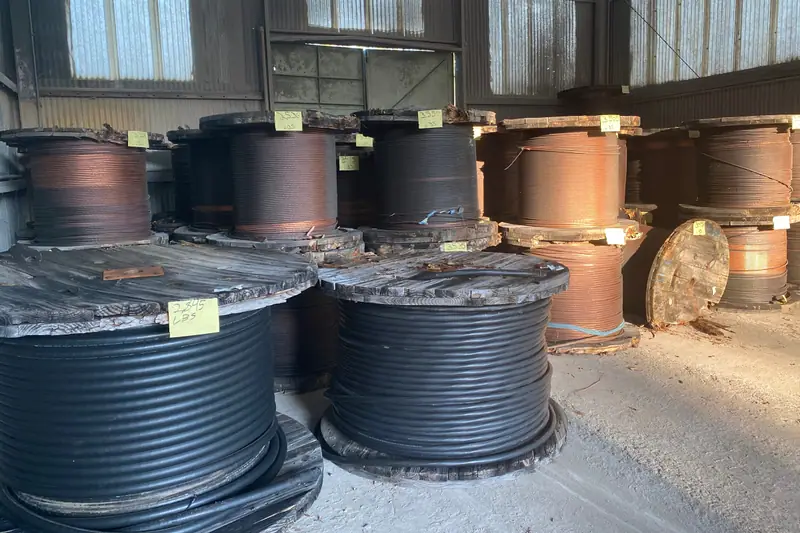
Design changes and revised equipment layouts can leave power cable, grounding conductors and other cable unused. We buy cable that remains suitable for resale and reuse, including full reels and identifiable partial reels.
When preparing data center surplus cable for review, photograph jacket markings and reel tags before moving the lot. Keep different conductor sizes, voltage ratings and cable constructions separate, and identify any material that has been installed or removed rather than treating the entire lot as new.
Have reel tags or a footage list? Send photos and we will review the lot.
Get an offerSolar, Wind and Battery Storage Projects
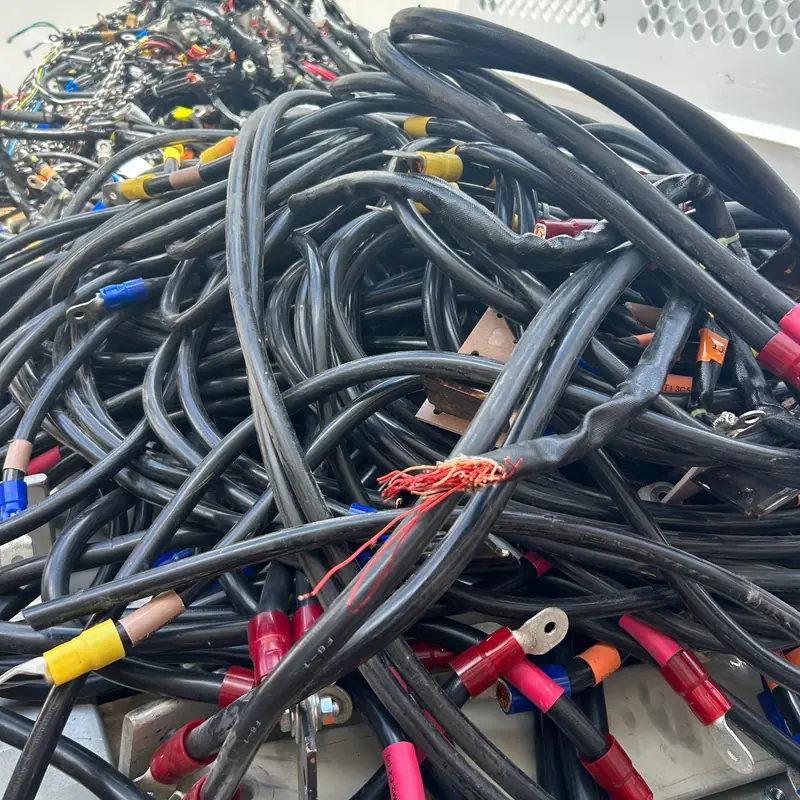
Renewable energy projects can have unused PV wire, power cable and grounding conductors after construction changes or closeout. We also review used battery cables with lugs when they remain in reusable condition.
For solar, wind and battery project surplus, show the printed ratings, conductor material and footage available. Include close-up photographs of terminations on used assemblies and explain whether each item is unused, removed from service or re-reeled.
Oil and Gas Operators Clearing Cable Inventory
Plant overstock and unused maintenance inventory can include tray cable, instrumentation cable, control cable and portable cord. We review identifiable wire and cable that your business no longer needs but another user may still be able to use.
Our information for oil and gas operators selling cable focuses on reusable material. Show jacket condition, exposed ends and storage condition, and flag any oil contamination, damage or missing identification so we can assess the lot accurately.
Refineries, Petrochemical Plants and LNG Operations
Shutdown work, maintenance planning and project changes can leave industrial cable in stores or staging areas. Suitable lots may include unused armored cable, tray cable, instrumentation cable and power cable with readable specifications.
When organizing refinery, petrochemical and LNG surplus cable, separate unused stock from decommissioned material. Include cable construction, voltage rating, conductor count and estimated length where available; describe damage or uncertain condition rather than assuming every reel is reusable.
Electrical Distributors and Wholesalers with Overstock
Distributor overstock, cancelled orders and partial reels can occupy space without fitting current demand. As surplus electrical wire buyers, we review reusable inventory as product rather than treating it as scrap by weight.
For electrical distributors selling excess wire, an inventory export is useful alongside photographs. Include manufacturer, part number, wire size, rating, packaging and footage if known, and distinguish sealed stock from opened boxes or reels with estimated quantities.
Utilities, Co-ops and Municipalities with Surplus Cable
We review reusable surplus wire and cable from utility, co-op and municipal inventories. New reels, unused project balances and decommissioned power cable need clear identification and condition details before we can evaluate them.
Our guide for utilities, co-ops and municipalities selling surplus addresses these seller types. Keep reel numbers associated with your inventory list, identify copper versus aluminum conductors, and distinguish remaining stock from cable removed during replacement work.
Who Buys Electrical Supplies for Reuse? Start with Your Wire Details
If you’re deciding who buys wire from your business, start with the material rather than its scrap weight. Reusable wire is usually worth more sold as product because the buyer is paying for usable cable, not just metal. If yours is not reusable, we say so honestly; it may belong with a scrap recycler instead.
Send photos of reel tags, jacket print, cut ends and the whole lot, plus a list or footage estimate, by phone, online form or email. We review the material and make a written offer before pickup, with payment method and timing confirmed in writing beforehand.
We verify the seller and proof of ownership, such as an invoice, purchase order, closeout paperwork or company letter; see our Texas wire seller paperwork guide. We arrange pickup anywhere in Texas or receive appointment-only drop-offs at our southeast Houston location near I-45 and Loop 610, then check the count against the written terms.