Data Center Surplus Cable We Review for Reuse
Mission-critical builds can leave cable behind when feeder routes change, equipment packages change or final takeoffs come in below the ordered footage. We review new full reels, partial reels, boxed coils, cut lengths, cancelled-order material and distributor or plant overstock as reusable product, not scrap.
Keep power, battery and communications cable separated so each group can be identified. A lot with readable tags and known lengths is easier to assess than a mixed pile with no markings. You do not need a full reel to ask about selling; describe the material you actually have.
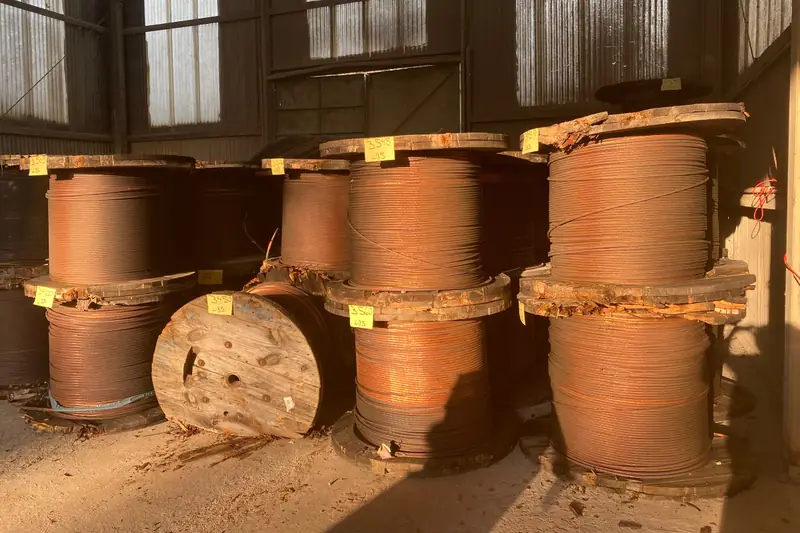
- Power distribution: medium-voltage feeders and large conductors, including 500 kcmil cable.
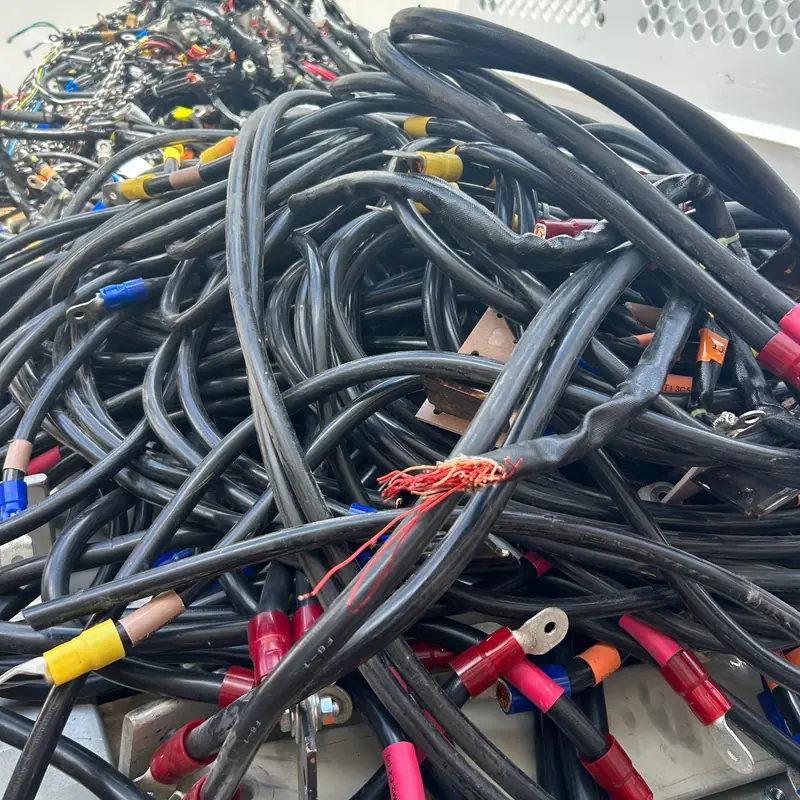
- Equipment and battery connections: DLO, battery cable and reusable leads with lugs.
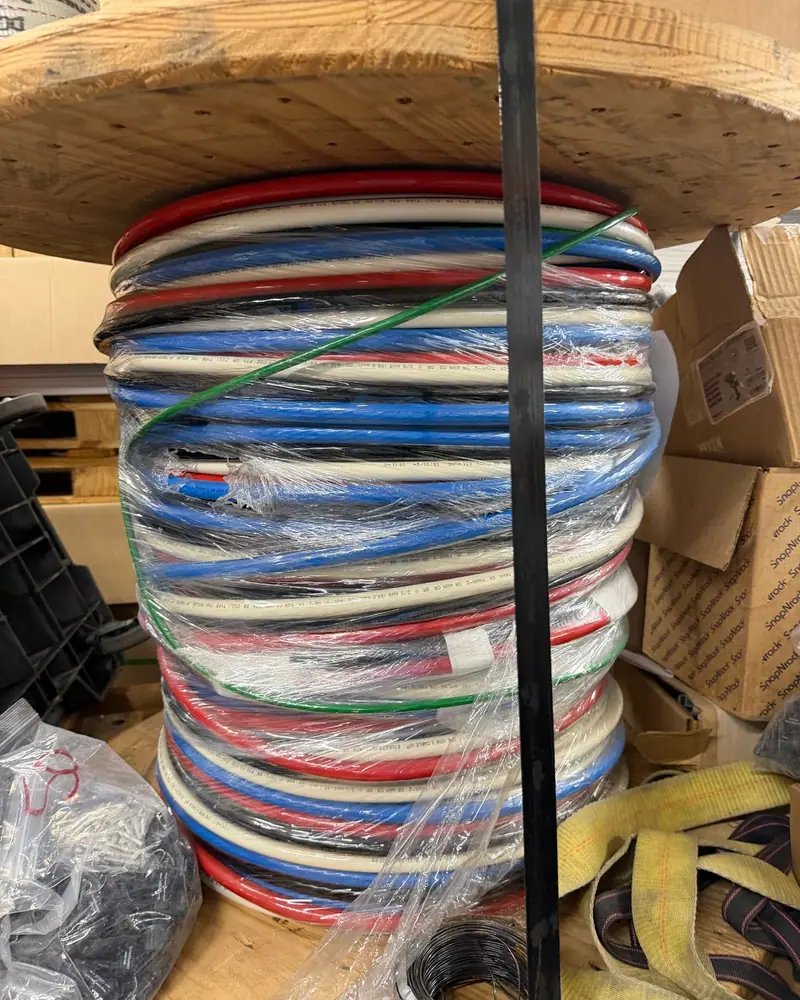
- Communications: boxed or reeled Cat6 and Cat6A, plus identifiable fiber leftovers.
MV Feeders and 500 kcmil Cable from Electrical Closeouts
For feeder reels, photograph the manufacturer’s tag and jacket legend rather than sending only a wide shot. Include conductor material, size, conductor count, voltage rating and insulation markings. For medium-voltage power cable, also show any available shield, jacket and construction details on the tag.
Keep each reel’s stated footage separate from your estimate of what remains. If a reel was partially pulled, explain that and include any available cut records. For 500 kcmil conductors, tell us the length of each piece rather than combining several short pieces into one total.
Show exposed ends and any visible jacket damage. Clear condition information helps us distinguish usable feeder inventory from material that may no longer be suitable for resale.
DLO and Battery Leads Removed During Equipment Changes
Used does not automatically mean scrap. We review used electrical wire that remains in reusable condition, including decommissioned power and battery cables with lugs and cable that has been re-reeled. Tell us what equipment the cable came from and why it was removed.
For lugged leads, provide the cable size, individual lengths and quantity of matching pieces. Photograph both terminations, the crimped copper lugs, colored heat-shrink ends and any readable jacket print. Mention visible corrosion, damaged insulation, distorted lugs or other concerns instead of leaving them out.
For DLO cable, include the printed rating and size rather than identifying it only as flexible black cable. Keep matching leads grouped together, but show enough individual pieces to make their condition clear.
Have reel tags or a footage list? Send photos and we will review the lot.
Get an offerCat6A and Fiber Leftovers Need Their Own Inventory
Keep communications inventory separate from heavy power cable. For Cat6 or Cat6A, photograph box labels, reel labels and jacket markings, including the category and jacket rating. Identify unopened boxes separately from opened boxes with estimated footage remaining.
Our Cat6 and data cable buying information covers the details to send with these lots. For fiber, include the fiber count, single-mode or multimode designation, jacket markings and remaining length when known. Photograph the label closely enough to read the product identification.
Do not assume every blue box contains the same cable. Separate different categories, constructions and ratings in your list so a usable communications lot does not become an unidentified mixed inventory.
Pickup Planning for DFW, San Antonio, Austin and Abilene
Hyperscale and colocation construction in DFW, San Antonio, Austin and Abilene can leave different kinds of surplus at different stages: feeder reels during electrical closeout, communications boxes after installation and battery leads after equipment changes. We arrange pickup anywhere in Texas.
When you sell data center cable, give us the actual storage address and describe access to the lot. Note whether reels are indoors or outdoors, whether boxes are palletized and whether material is split between buildings or storage areas. Include any appointment or site-access requirements before pickup is arranged.
For North Texas material, our Dallas–Fort Worth wire buying page provides regional information. You can also drop off at 6402 McGrew St, Houston, TX 77087, in southeast Houston near I-45 and Loop 610; call 951-403-5738 first to arrange an appointment.
Build a Photo List Before Data Center Turnover
Start with one whole-lot photo, then take close-ups of reel tags, jacket print legends and cut ends. Add clear photographs of any damage and both ends of terminated battery cables. Our wire photography guide explains how to make the identifying details readable.
Send a list or footage estimate through the online form, by phone or by email to industrial832@gmail.com. Label estimates as estimates, and distinguish unused inventory from removed cable. If several teams contributed material, consolidate the count without mixing different cable specifications.
- For each reel: identifying tag, cable type, size, rating and remaining footage.
- For cut lengths: individual lengths, quantity and visible condition.
- For boxed cable: product label, box count and whether each box is sealed or open.
- For pickup: storage address, access details and any material-handling constraints.
Written Offers for Reusable Data Center Cable
Reusable cable is usually worth more sold as product than sold as scrap by weight because the buyer is paying for usable wire, not just metal. Identification, remaining length and condition help determine whether your lot has that reuse potential. If it is not reusable, we say so honestly; it may belong with a scrap recycler instead.
We verify the seller and proof of ownership, such as an invoice, purchase order, closeout paperwork or company letter, and keep a written record of each purchase. See our Texas seller paperwork guide for documentation details.
Use Get an Offer to send your data center surplus cable inventory. We review it and make a written offer before pickup, confirm payment method and timing in writing before pickup, then pick up or receive the drop-off and check the count against the written terms.