Sell Copper Wire by Type, Length and Condition
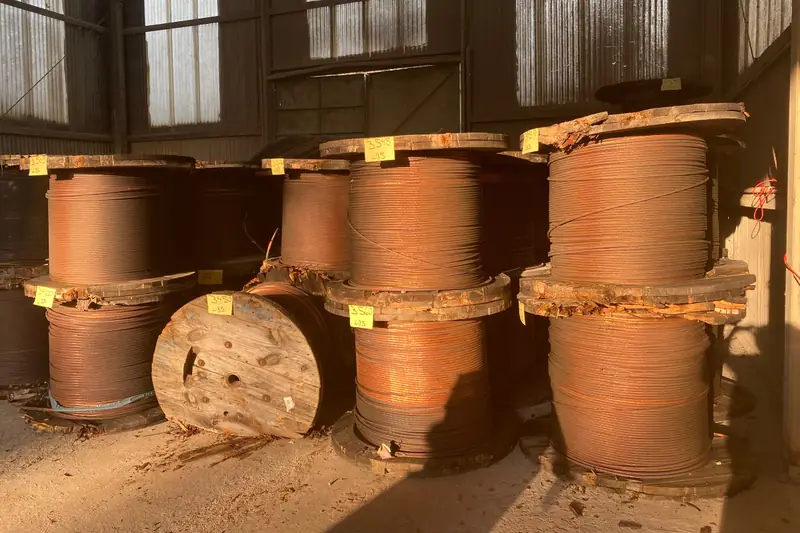
We buy electrical wire for resale and reuse, including project leftovers, cancelled-order material, distributor overstock and plant surplus. A labeled reel of usable copper building wire is different from a bin of short, mixed offcuts. Its identity, remaining length and condition help determine whether another buyer can put it to work.
When comparing copper wire buyers, start by explaining what you have rather than asking only for a price per pound. Include conductor size, insulation marking, color, packaging and estimated footage. Our wire and cable buying guide can help you identify material in a mixed surplus lot.
- New and unused full reels with readable manufacturer tags.
- Partial reels and boxed coils with identifiable wire and estimated lengths.
- Bare solid or stranded copper conductor kept separate from stripped scrap.
- Used cable that remains reusable, including decommissioned power or battery cables with lugs and re-reeled cable.
Copper Building Wire: Keep the Jacket Markings Visible
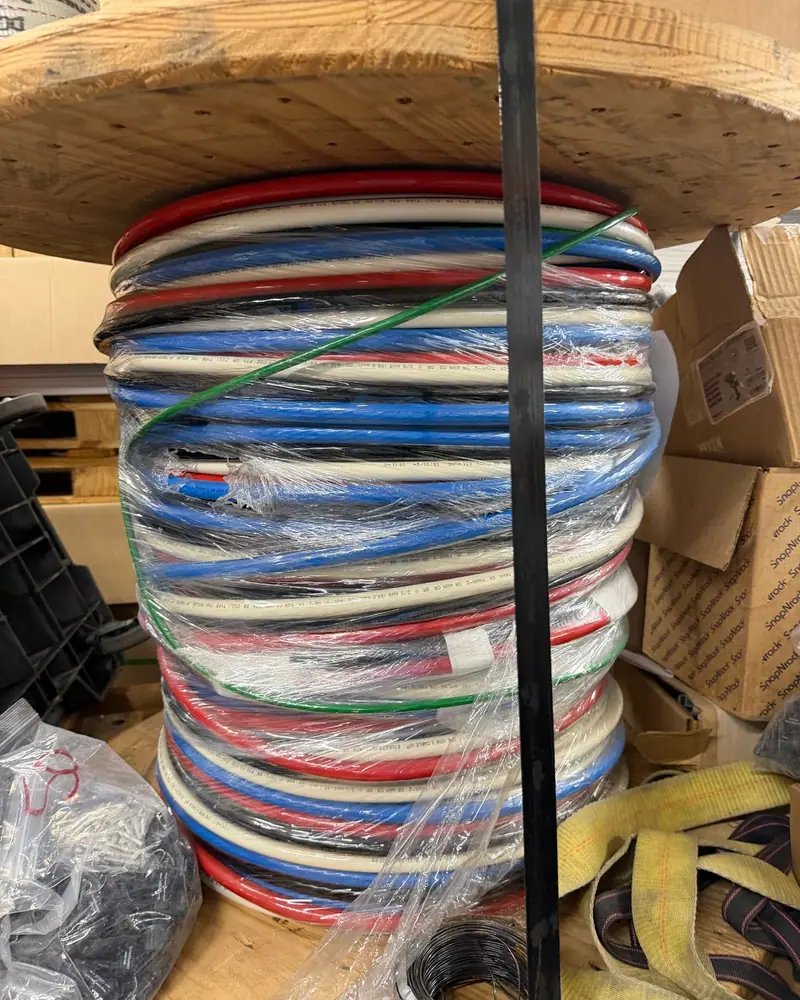
For insulated copper building wire, photograph the jacket print legend as well as the reel tag. Markings such as THHN or THWN-2, conductor size and voltage rating help identify the product. Include examples from each size and color rather than assuming one tag describes every reel.
Lots can include small branch-circuit conductors, larger feeder wire and copper cable from unused installation stock. Group matching items together and note any damaged jacket, exposed conductor or unknown lengths. If your lot is primarily building wire, see our THHN and THWN-2 wire information for details to include.
Do not strip intact insulation simply to prepare material for an offer. Removing the jacket can erase product identification and turn potentially reusable wire into material valued mainly for its copper content. Keep tags attached and retain the original packaging when it is available.
Bare Copper Can Be Product Rather Than Scrap
Bare copper has no insulation, but that does not automatically make it scrap. Identifiable solid or stranded conductor on a reel or in an orderly coil may still be reusable product. Send the conductor size, strand construction if known, approximate footage and photographs showing the full reel and accessible ends.
Keep bare conductor separate from stripped wire, tangled pieces and mixed-metal bins. Tell us about broken strands, contamination, splices or other visible damage instead of hiding those areas beneath an outer wrap. Our bare copper wire buying page explains what to show when the material has no jacket legend.
A reel weight tag can help describe a lot, but weight alone does not establish the conductor's usable length or condition. Include any original product label or inventory record that identifies the wire. Do not unwind a heavy reel solely to obtain a measurement.
Have reel tags or a footage list? Send photos and we will review the lot.
Get an offerHow Copper Prices Relate to a Surplus Wire Offer
Copper market prices influence the economics of copper wire, but they are not a direct price list for reusable electrical product. An offer also depends on the wire's specification, condition, length, packaging and resale demand. Two lots with similar total weight can have different reuse potential.
Reusable wire is usually worth more sold as product than sold as scrap by weight because the buyer is paying for usable wire, not just metal. That does not mean every leftover length qualifies. Damaged insulation, uncertain identification or a collection of very short pieces can limit reuse.
For a useful comparison, keep reel weight, estimated footage and product details separate in your list. We review the actual lot and provide a written offer before pickup rather than treating a market copper quote as your payment amount. Read more about copper prices and surplus wire value.
Prepare Partial Reels and Leftover Copper Wire for Review
You do not need a full factory reel to ask about selling surplus copper wire. Partial reels, boxed coils and cut lengths can be reusable when the product is identifiable and the remaining length is useful. Mark footage as estimated if you do not have a reliable measurement.
If you are deciding what to do with unused electrical wires after a project, begin with a simple inventory. Separate unused stock from removed cable and keep each wire type together. Our partial reels and cut lengths guide covers how to present material that is no longer in a complete package.
- Photograph the whole lot so we can see the number of reels, coils and boxes.
- Take readable close-ups of reel tags, jacket printing and cut ends.
- List sizes, types, colors and footage, noting which quantities are estimates.
- Describe storage conditions and any visible damage, splices or missing labels.
- Tell us where the material is located and how it can be accessed for pickup.
Texas Copper Wire Paperwork and Pickup
We buy reusable surplus product from businesses, verify the seller and proof of ownership, and keep a written purchase record; examples include an invoice, purchase order, closeout paperwork or company letter. Our Texas wire seller paperwork guide explains what to prepare.
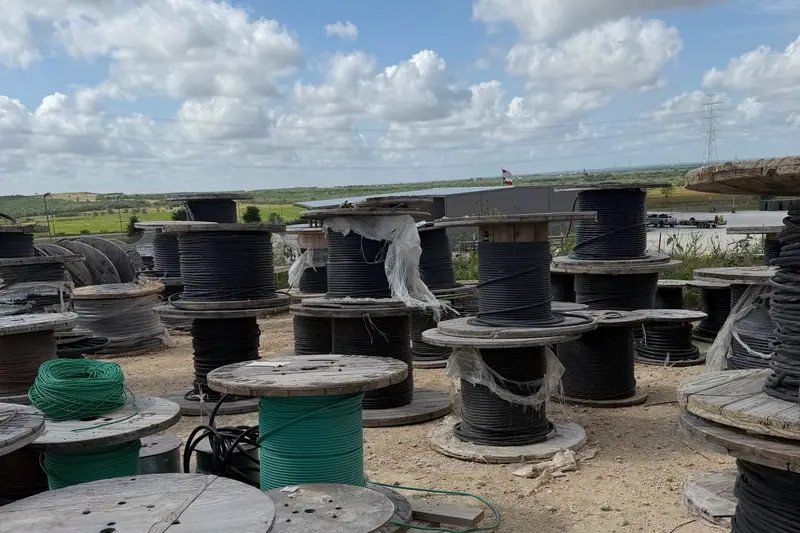
We arrange pickup anywhere in Texas. Sellers can also drop off by appointment at 6402 McGrew St, Houston, TX 77087, in southeast Houston near I-45 and Loop 610. Call 951-403-5738 before bringing material to the location.
Before pickup, we provide a written offer and confirm the payment method and timing in writing. At pickup or drop-off, we check the count against the written terms. Keep the reviewed lot together and tell us if quantities or condition change before the handoff.
Get an Offer for Your Copper Wire Lot
If you are searching for “sell copper wire near me,” the first step is to show us the material and its location. Send your photos and inventory through the offer request form, email industrial832@gmail.com or call 951-403-5738 to discuss the lot. Include a phone number and identify which reels or coils are available.
We review the information to assess the wire as reusable product. If it is not reusable, we say so honestly; it may belong with a scrap recycler instead. For a closer look at the steps from submission through handoff, read how selling surplus wire works.