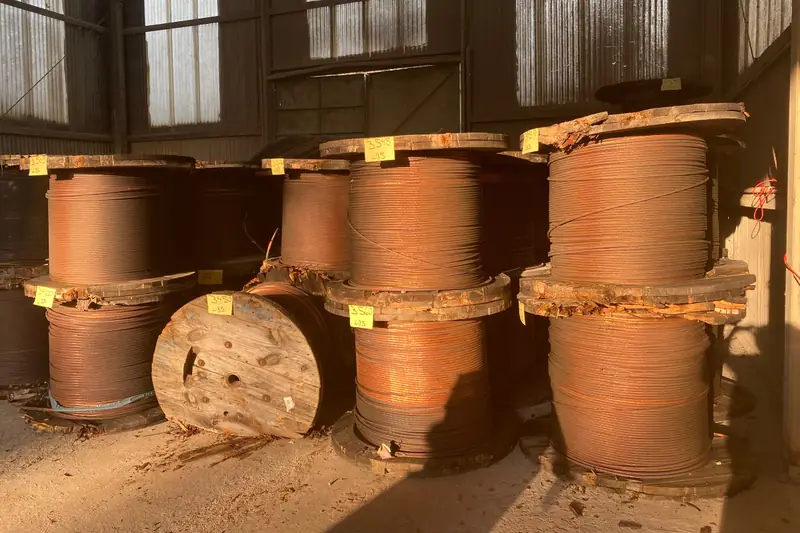
Copper Price and Wire Value Measure Different Things
A copper market quote describes a commodity, not a finished reel of electrical wire. Your surplus may include insulation, stranding, jackets, shielding, armor and packaging, along with the conductor. Those features matter when the cable can still perform its intended job.
For reusable wire, we consider what the identified product can reasonably sell for, its condition and the available footage. A labeled reel of continuous THHN/THWN-2 is a different proposition from mixed, unidentified pieces, even if both contain copper. Reusable wire is usually worth more sold as product than sold as scrap by weight because the buyer is paying for usable wire, not just metal.
Our guide to surplus wire value versus scrap price explains why a metal-only calculation can miss the value of intact material.
How COMEX Copper and Aluminum Markets Influence Offers
COMEX copper futures provide a widely watched reference for copper market conditions. Higher copper costs can increase the cost of manufacturing replacement wire, while falling costs can put downward pressure on replacement prices. Neither movement translates automatically into an identical change in a surplus offer.
Aluminum conductor has its own metal-cost exposure, commonly tracked through aluminum market benchmarks rather than the COMEX copper quote. Comparing aluminum cable directly with a copper price overlooks both the different conductor material and the finished cable specification.
Replacement inventory, manufacturer pricing schedules, buyer demand and the time needed to resell a particular cable also influence an offer. Market direction is useful background, but a current quote for your actual lot is more meaningful than multiplying a headline metal price by its shipping weight.
Why Insulated Building Wire Tracks Finished-Product List Prices
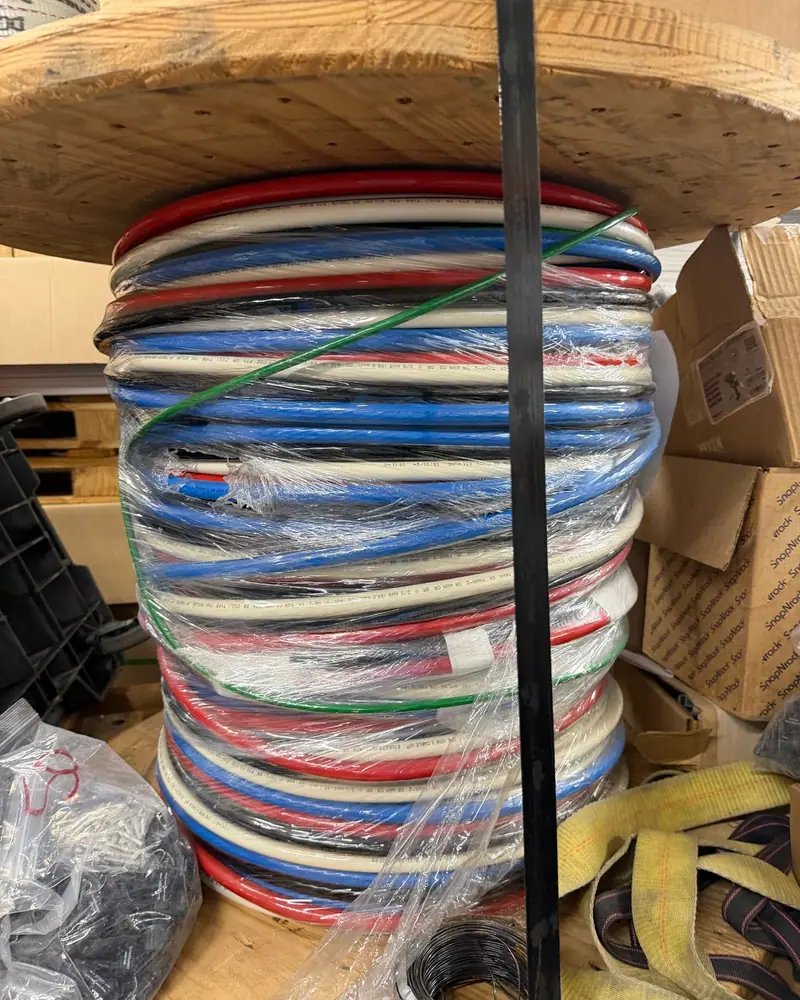
Insulated building wire is manufactured and sold by specification and length. Manufacturer list prices and distributor pricing reflect more than conductor metal: insulation, processing, packaging and product availability also contribute. Published list prices may use discounts or metal adjustments, so a list figure is not necessarily the price a buyer actually pays.
That is why identified building wire tends to follow finished-product replacement pricing rather than a simple scrap formula. A copper movement can affect those prices, but the timing and size of an adjustment vary. An old invoice or catalog list is helpful identification, not a promise of current surplus value.
For example, THHN and THWN-2 building wire should be identified by gauge, conductor material, color, rating and footage. Matching those details lets us evaluate a usable product instead of treating every insulated conductor as interchangeable.
Have reel tags or a footage list? Send photos and we will review the lot.
Get an offerThe Details That Make a Surplus Lot Easier to Value
A clear specification reduces uncertainty about what is available for reuse. Reel tags and jacket print can establish conductor size, voltage rating, insulation type and manufacturer information. Photos of cut ends help show conductor material and construction, while whole-lot photos show packaging and visible condition.
Footage matters as much as total quantity. One continuous run can meet a different need than several short pieces totaling the same length. For partial reels and cut lengths, keep separate lengths identified rather than combining them into one unexplained total.
- Identify copper or aluminum, AWG or kcmil size, and the number of conductors.
- Record insulation and jacket markings, such as XHHW-2, THHN/THWN-2 or TC-ER.
- List each reel or coil separately, including known footage or a clearly labeled estimate.
- Disclose jacket damage, exposed ends, storage conditions and any missing identification.
Keep Reusable Insulation and Cable Lengths Intact
Before stripping insulation or cutting a reel into shorter pieces, have the material reviewed for reuse. Removing insulation destroys the finished electrical product, and shortening cable may eliminate useful installation lengths. Clean-looking copper is not automatically more valuable than the intact cable it came from.
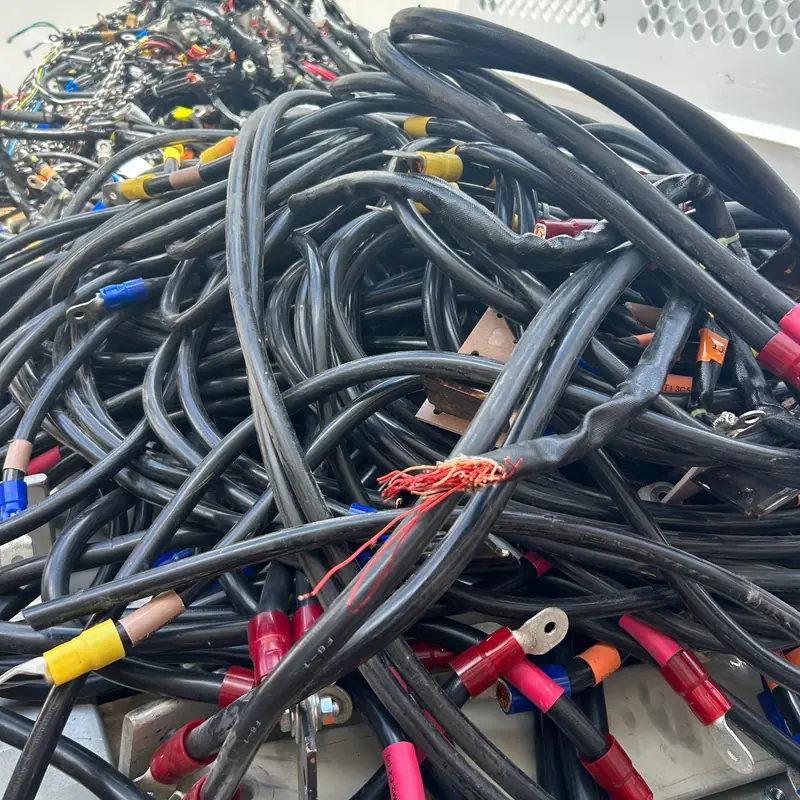
New full reels are not the only candidates. We also review unused partial reels, boxed coils, project leftovers, cancelled-order material and distributor or plant overstock. Used cable can qualify when it remains reusable, including decommissioned power or battery cables with lugs and re-reeled cable.
Our used electrical wire guide explains what to document before an evaluation. If the material is not reusable, we say so honestly; it may belong with a scrap recycler instead.
Turn Reel Tags and Photos Into a Written Offer
To find out how much is copper wire worth in your specific lot, send the details before relying on an online calculator. Include photos of reel tags, jacket print, cut ends and the whole lot, plus an inventory list or footage estimate. Mark uncertain measurements as estimates rather than presenting them as confirmed footage.
Use our wire reel tag guide to locate useful specifications. If tags are missing, photograph the jacket legend in several readable sections and keep different cable types separated.
We review the material and make a written offer before pickup. Payment method and timing are confirmed in writing before pickup as well. You can request a surplus wire offer through the online form, call 951-403-5738 or email industrial832@gmail.com.
Selling Your Surplus Wire in Texas
We arrange pickup anywhere in Texas, or you can drop off by appointment at Texas Wire Buyers, 6402 McGrew St, Houston, TX 77087. Our location is in southeast Houston near I-45 and Loop 610; call first before bringing material.
We buy reusable surplus product from businesses and verify the seller and proof of ownership, such as an invoice, purchase order, closeout paperwork or company letter. See the Texas wire seller paperwork guide for preparation details.
At pickup or receipt of a drop-off, we check the count against the written terms. Keep reel labels attached and your inventory matched to the material so the offer, pickup and received lot describe the same wire.