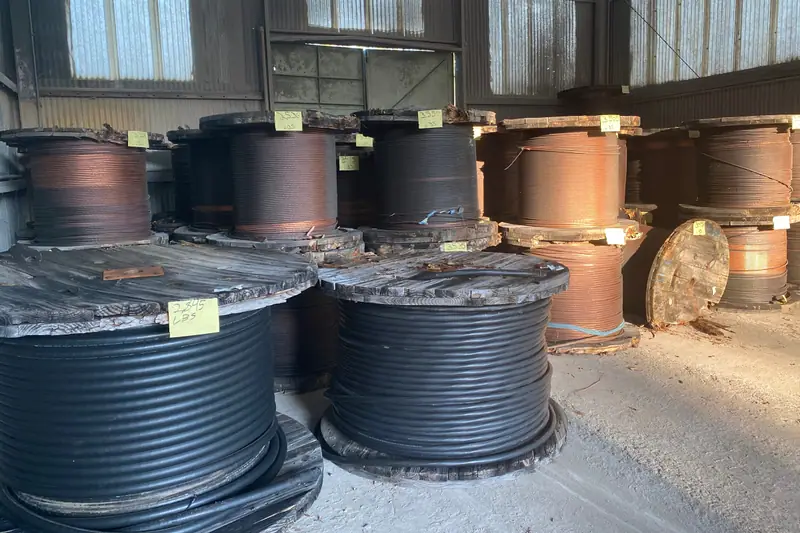
Surplus Cable Value Starts With Reuse Potential
A reusable cable has value as a finished electrical product: conductors, insulation, jacket and usable length together. Reusable wire is usually worth more sold as product than sold as scrap by weight because the buyer is paying for wire that can be used again, not just recovered metal.
That does not mean every reel has a resale market. Cable with unreadable identification, damaged insulation or uncertain specifications can be harder to evaluate. Our guide to surplus wire value versus scrap price explains the distinction. We review the actual lot rather than applying a universal rate per pound or foot.
Cable Type, Ratings and Demand Shape the Offer
Start with the cable's intended application. THHN/THWN-2 building wire, TC-ER tray cable, shielded instrumentation cable and medium-voltage power cable have different potential uses. A buyer needs enough identification to match the material to an application; black jackets alone do not establish that two reels contain equivalent cable.
Conductor count, voltage rating, temperature rating, shielding, armor and jacket markings all matter. Demand also varies by specification, so a specialized cable is not automatically more valuable than a common type. Compare your inventory with the wire and cable we buy, and copy the jacket legend exactly rather than guessing from appearance.
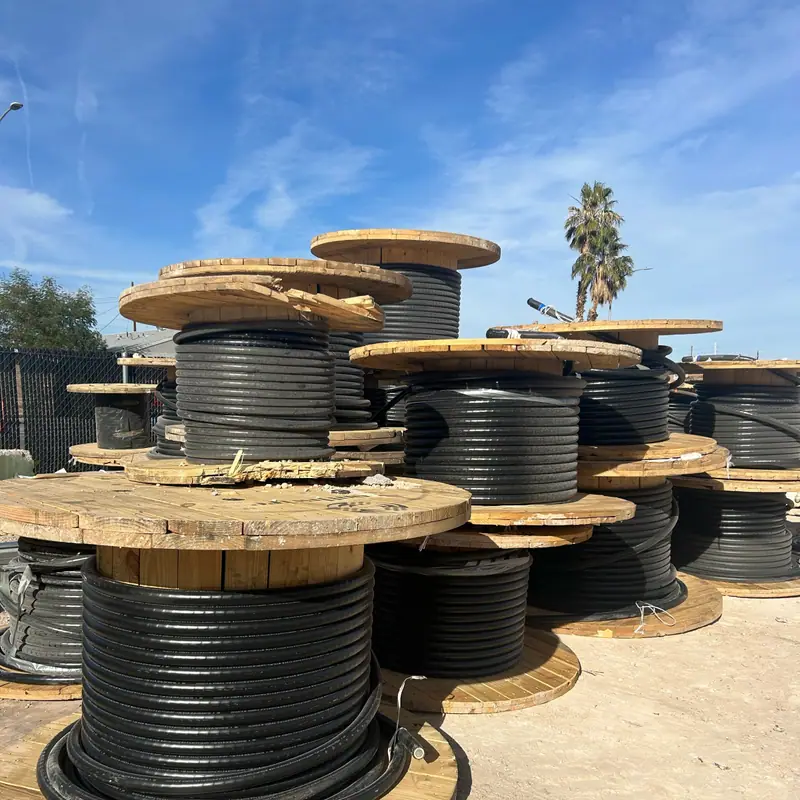
Conductor Size and Copper Versus Aluminum
List conductor size in AWG or kcmil, along with conductor count and whether the conductors are copper or aluminum. A single-conductor 500 kcmil cable is a different product from a multiconductor control cable, even when both arrive on similarly sized wooden reels.
Copper content alone cannot establish the resale value of a finished cable. Aluminum cable can also be reusable inventory when its specifications, length and condition fit another application. Keep copper and aluminum lots identified separately, and photograph cut ends if the conductor material is uncertain. Do not strip insulation merely to identify material that may still be saleable intact.
Have reel tags or a footage list? Send photos and we will review the lot.
Get an offerFootage and Continuous Lengths Change Usability
Total footage matters, but the length of each unspliced piece matters too. One continuous run may suit an installation that several short pieces cannot. Ten coils with the same combined footage as one reel are therefore not necessarily equivalent inventory.
Separate measured footage from estimates, and identify any splices or multiple lengths on a reel. If footage is unknown, send the reel dimensions, tag and visible footage markings instead of presenting a guess as a confirmed count. Our guide to measuring wire left on a reel can help you organize the estimate.
Short lengths are not automatically scrap. Group partial reels and cut lengths by matching specification, then list each piece separately so we can assess its potential use.
Reel Tags, Date Codes and Packaging Reduce Uncertainty
An original tag can identify the manufacturer, product designation, conductor construction, ratings and original footage. The tag's footage may describe the reel before material was removed, so tell us whether the reel is full or partial. A weight tag does not replace a cable specification or current footage estimate.
Date codes help establish manufacturing age, but age alone does not determine condition. Older unused cable needs identification and a clear storage history just as newer cable does. Use our guide to reading a wire reel tag to locate useful information.
Keep original cartons, labels and reel tags with the material. Intact packaging makes a lot easier to identify and handle, but it does not by itself establish that the cable inside is undamaged.
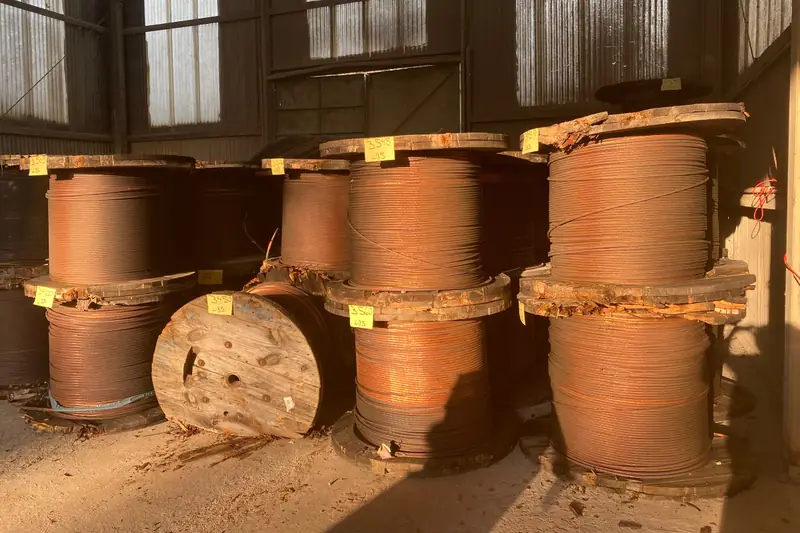
Storage and Cable Condition Affect Resale Potential
Show us the jacket, cut ends, reel flanges and any damaged areas. Crushed sections, deep cuts, heat damage, corrosion or evidence of moisture entry can affect whether cable remains reusable. End caps help protect exposed ends, but their presence does not establish the condition of the entire length.
Describe indoor or outdoor storage and any known exposure to standing water, sunlight, chemicals or excessive heat. Our Texas wire reel storage guide covers practical ways to preserve identification and protect material while you prepare it for sale.
For used cable, include its previous application, removal method and any known damage. Decommissioned power cables, battery cables with lugs and re-reeled cable can be considered when they remain in reusable condition.
Lot Quantity and Texas Pickup Details Matter
A useful inventory shows both the total quantity and how that quantity is divided. Matching reels are different from an assortment of unrelated short pieces. List reel or coil counts by specification, and identify boxed material, loose coils and damaged reels separately.
Tell us where the material is stored, whether reels are accessible and what loading arrangements are available. These details help us plan pickup and understand the handling involved; they do not replace the cable specifications needed for an offer.
We arrange pickup anywhere in Texas. You can also drop off by appointment at 6402 McGrew St, Houston, TX 77087, in southeast Houston near I-45 and Loop 610. Call 951-403-5738 before bringing material.
Send the Details Needed for a Written Cable Offer
If you are asking how much is used cable worth, the most useful starting point is a documented lot rather than a weight alone. Send clear photos of the whole lot, reel tags, jacket print and cut ends, plus your inventory or footage estimate.
Use the online offer form, call 951-403-5738 or email industrial832@gmail.com. We review the material and make a written offer before pickup, with payment method and timing confirmed in writing before pickup. At pickup or drop-off, we check the count against the written terms.
We verify the seller and proof of ownership, such as an invoice, purchase order, closeout paperwork or company letter, and keep a written purchase record. See the Texas wire seller paperwork guide for preparation details. If your cable is not reusable, we say so honestly; it may belong with a scrap recycler instead.