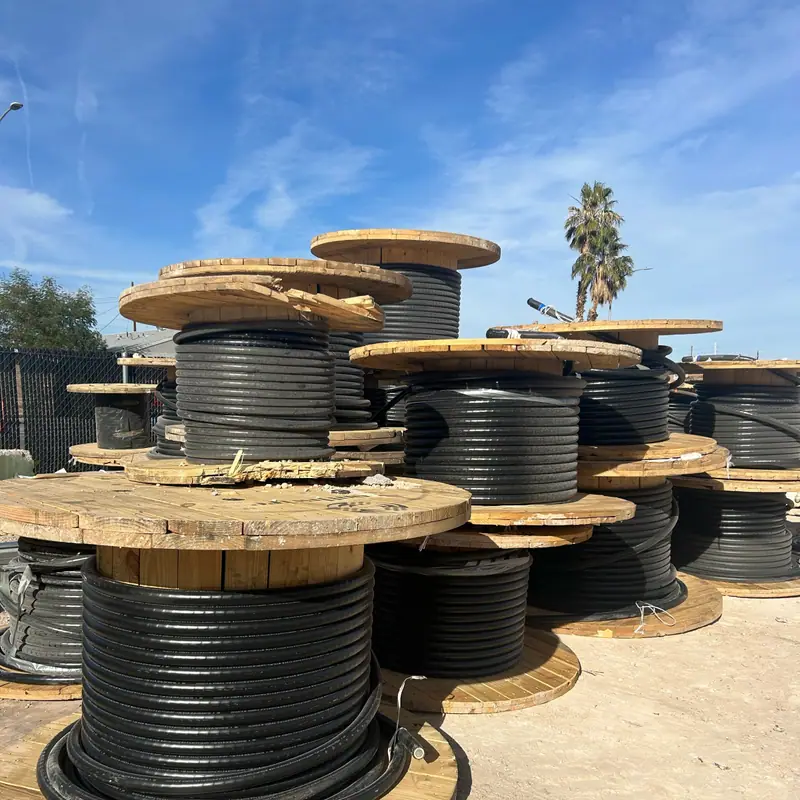
What to Do With Leftover Electrical Wire: Sort Before Clearing the Site
Start with a separate holding area for wire that could still be used. Keep unopened reels, identifiable partial reels and clean coils away from demolition debris and scrap bins. We buy reusable surplus wire and cable for resale and reuse, not as scrap.
Sort by wire type, conductor size, conductor count and insulation rating rather than by appearance alone. For example, do not combine THHN building wire, multiconductor control cable and armored cable into one unidentified lot. Leave original reel tags and packaging attached wherever possible.
Your first closeout decision is not simply keep or discard. Divide the inventory into return candidates, stock worth retaining, reusable surplus available for sale and damaged material needing another outlet. Our general contractor closeout information covers the seller side of clearing excess material from a project.
Confirm Who Controls Contractor-Purchased and Owner-Furnished Wire
Before offering anything for sale, check the project terms and resolve whether contractor-purchased leftovers belong to the contractor or must remain with the owner; keep owner-furnished material separate until disposition is authorized. We verify the seller and proof of ownership, such as an invoice, purchase order, closeout paperwork or company letter, as explained in our Texas wire seller paperwork guide.
Assign one closeout contact to coordinate the inventory and sale decision. That helps prevent a reel from being promised for another installation while also being offered to a buyer. Keep material that is still needed for punch-list work, testing or owner turnover out of the sale lot.
Mark each group clearly as retained, return pending or available for sale. Physical separation is useful when several contractors share a laydown area or storage container.
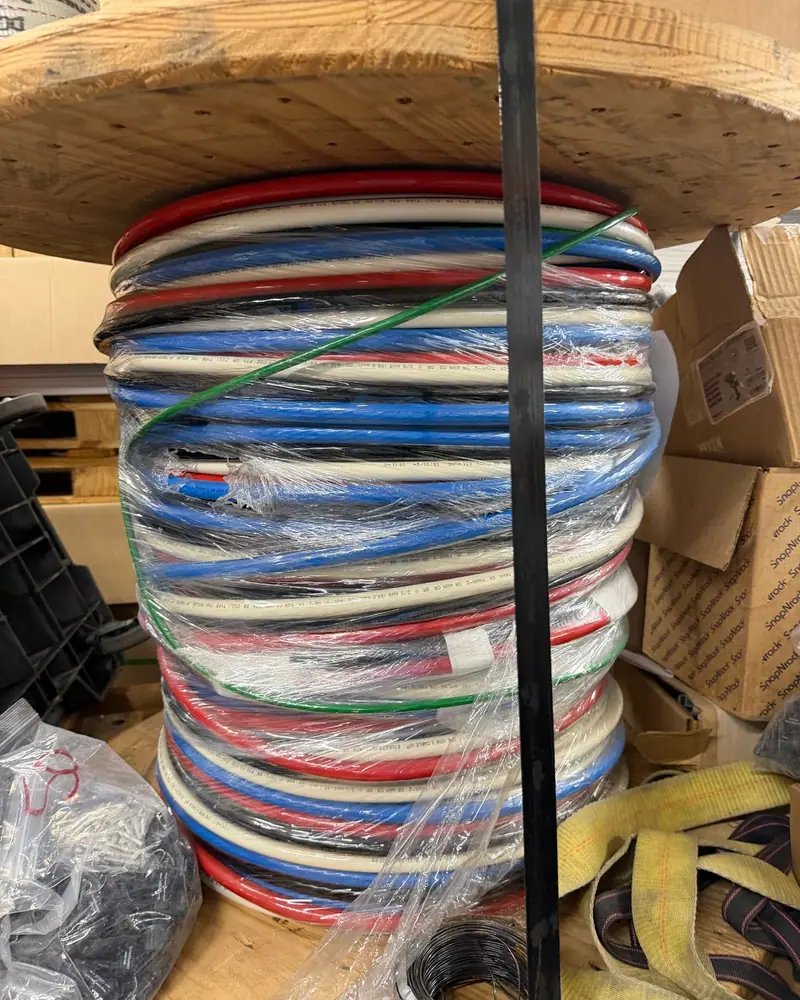
Compare Distributor Returns, Warehouse Stock and a Surplus Sale
Check the original supplier's return terms before moving unopened material. Ask about return authorization, packaging requirements, freight costs, restocking fees and whether cut or partial reels are eligible. Do not assume that a reel is returnable just because the wire was never installed.
Compare the expected return credit after applicable charges with the written surplus offer and the cost of keeping inventory. Warehouse space, handling and the likelihood of using that exact wire again all matter. A reel reserved for a known upcoming job is a different decision from an unidentified partial reel that has no planned use.
Reusable wire is usually worth more sold as product than sold as scrap by weight because the buyer is paying for usable wire, not just metal. Our guide to surplus wire value versus scrap price explains that distinction without treating every leftover as equally marketable.
Have reel tags or a footage list? Send photos and we will review the lot.
Get an offerBuild a Closeout Inventory That Identifies Each Reel
Give each reel, coil or box a simple inventory number, then use the same number in your photos and list. Record the jacket legend and reel-tag information rather than relying on color or a handwritten project nickname. Mark footage as estimated when you cannot confirm it.
Keep separate cut lengths separate in the inventory. Several short pieces do not equal one continuous run of the same combined footage, and that distinction affects potential reuse. For practical ways to document remaining lengths, see how to measure wire left on a reel.
- Identify wire type, copper or aluminum conductor, AWG or kcmil size, and conductor count.
- Record voltage rating and other readable markings, such as THHN/THWN-2, XHHW-2 or TC-ER.
- List reel or coil count, estimated continuous footage and whether the material is new, unused or previously installed.
- Note damaged packaging, exposed ends, missing labels, splices or visible jacket damage instead of leaving condition uncertain.
Photograph Partial Reels and Preserve Usable Lengths
Send a whole-lot photo plus close-ups of reel tags, jacket print legends and cut ends. Include visible damage so the review reflects the actual material. A readable tag beside a clear view of the reel is more useful than several distant photos of a crowded storage area.
Do not cut long lengths into smaller pieces just to make them easier to move. Keep coils orderly, prevent forklift forks from contacting the cable and protect readable labels during storage. Avoid stripping insulation before asking about resale; removing it changes the material from a usable product into something else.
Unopened packaging is helpful, but it is not the only material we consider. Our information on partial reels and cut lengths explains why remaining footage, identification and condition matter when reviewing project leftovers.
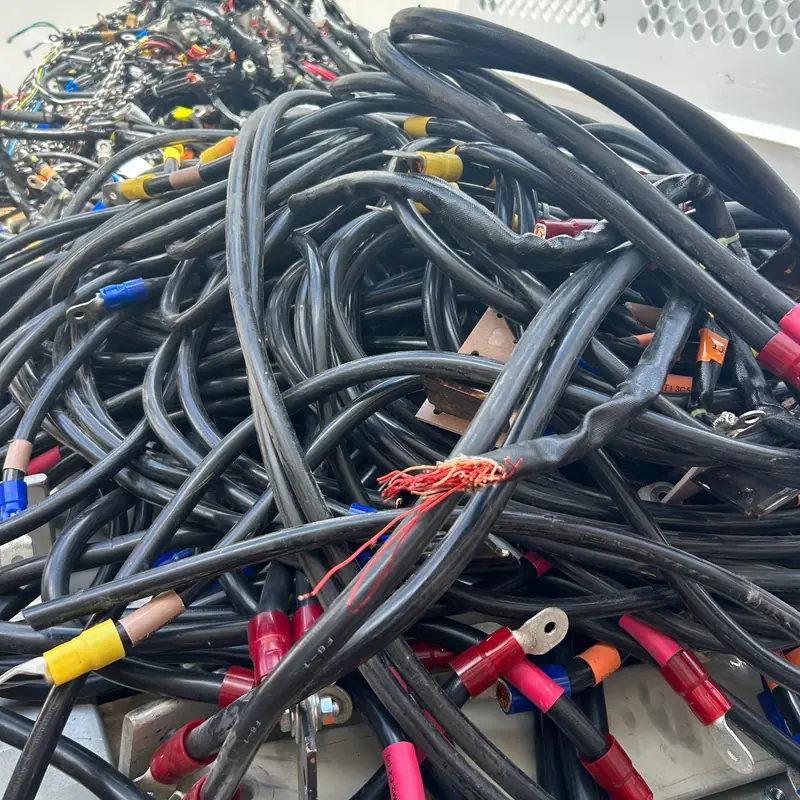
Schedule the Offer Before the Closeout Move-Out Date
Begin the review while the material is still accessible and your project contact can answer inventory questions. Tell us the site move-out date, access restrictions and when the wire will be released from project use. We review your photos and list, then make a written offer before pickup.
Send the inventory through our offer request form, call 951-403-5738 or email industrial832@gmail.com. Include the lot location and identify anything that may change before collection, such as reels still being used for final work.
Payment method and timing are confirmed in writing before pickup. If a reel is removed, footage changes or additional material becomes available after review, tell us before loading so the written terms can reflect the lot being transferred.
Plan Texas Pickup and Check the Closeout Lot at Handoff
We arrange pickup anywhere in Texas. Before collection, discuss reel dimensions, approximate weights if known, site access and available loading equipment. Flag any restricted delivery windows or locations where a truck cannot safely reach the material.
Keep the agreed lot grouped and accessible, with inventory numbers visible. At pickup or drop-off, we check the count against the written terms. Keep retained stock and return-authorized reels outside that group to reduce loading mistakes.
You can also drop off by appointment at Texas Wire Buyers, 6402 McGrew St, Houston, TX 77087, in southeast Houston near I-45 and Loop 610; call first. Our Texas service area information covers statewide pickup, while the right plan for your lot depends on its location, packaging and access.