What to Do With Leftover Electrical Wire: Compare Four Options
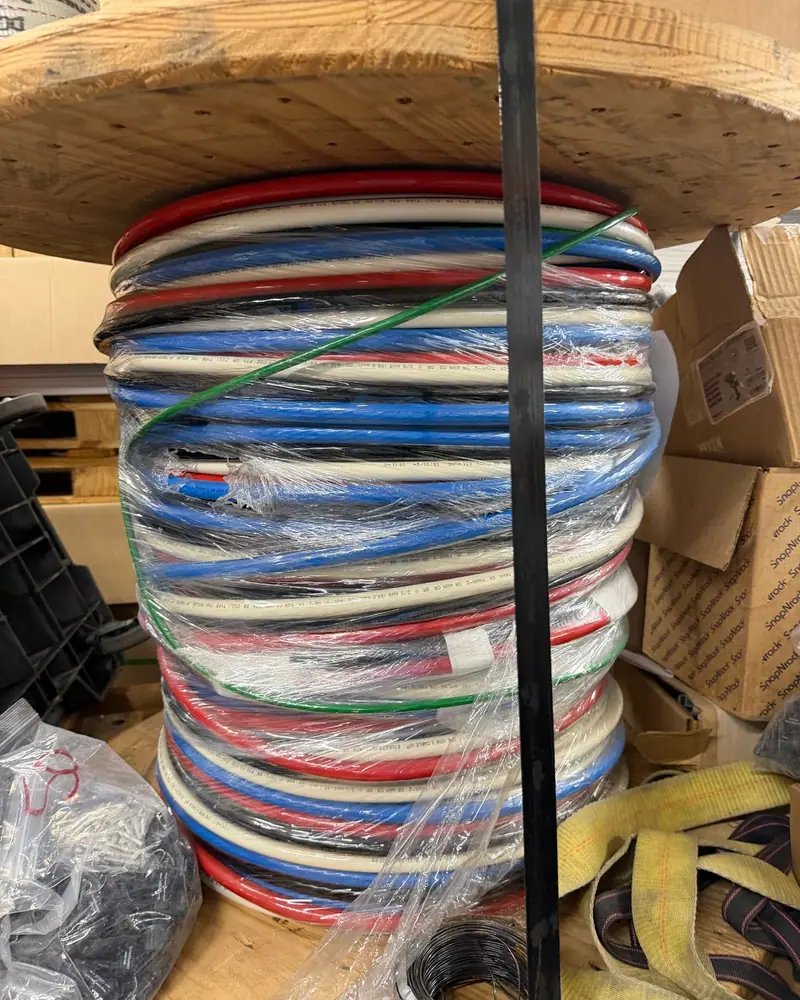
Start with the wire's condition and your likely use for it. A sealed reel from a canceled order presents different options than mixed cutoffs without readable markings. Keep tags, packaging and purchase records together while you decide.
If you are considering what to do with unused electrical wires, compare the actual return terms, storage needs and resale potential rather than treating every leftover as scrap. The right choice depends on whether the material can still do its intended job.
- Return it: ask the distributor whether the material qualifies and what return conditions apply.
- Store it: keep identifiable wire you reasonably expect to use on an upcoming job.
- Sell it as surplus: offer reusable material that no longer fits your work or inventory needs.
- Scrap it: consider a scrap recycler when the wire is no longer reusable.
Check Distributor Returns Before Moving Unused Wire
For recently purchased, unused material, a distributor return is worth checking first. Locate the invoice and match the product numbers, reel tags and quantities to the order. Ask about return authorization, packaging requirements, freight and any deductions before arranging transport.
Do not assume an opened reel or a custom-cut length qualifies for a return. If the distributor declines it, the wire may still be useful to another buyer. Our new electrical wire selling guide covers offering unused material as product rather than discarding it.
Store Leftover Building Wire Only With a Likely Next Use
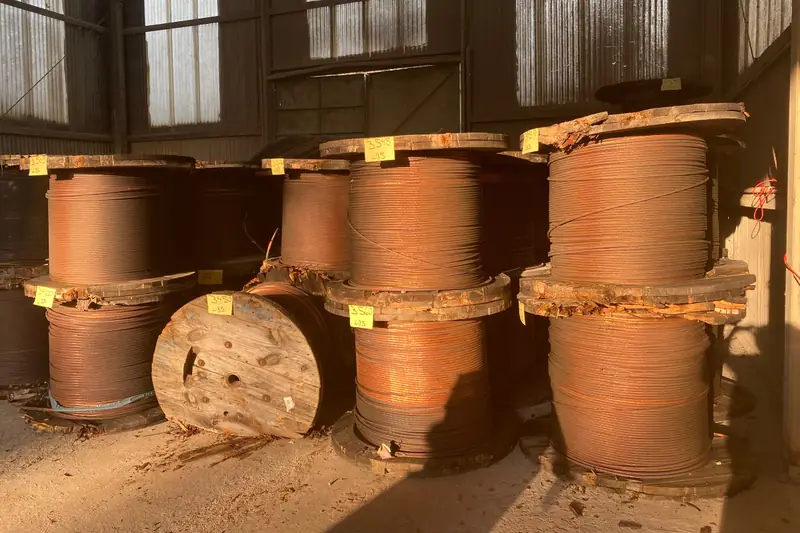
Keeping leftover wire can make sense when you have a planned use for the same conductor size, insulation type, voltage rating and color. Record the remaining footage and keep that record with the reel. An unidentified coil is harder to assign to a future job than a labeled partial reel.
Balance that future use against the space and handling the material requires. Protect packaging and tags, and check the manufacturer's storage guidance for the product. Our guide to storing wire reels in Texas weather can help you organize material you intend to keep.
If there is no likely next job, postponing the decision may only leave you with older, less clearly documented inventory. Separate the keep pile from material you want reviewed for sale.
Have reel tags or a footage list? Send photos and we will review the lot.
Get an offerWhy Selling Reusable Leftover Wire Usually Beats Scrapping It
Reusable wire is usually worth more sold as product than sold as scrap by weight because the buyer is paying for usable wire, not just its metal content. Readable markings, useful lengths and sound insulation help establish what the material is and how it could be reused.
Texas Wire Buyers buys new and unused full reels, partial reels, boxed coils, cut lengths, project leftovers, canceled-order material, and distributor and plant overstock. We also review used cable that remains reusable, including decommissioned power and battery cables with lugs and re-reeled cable.
When comparing leftover wire buyers, distinguish a product offer from a scrap-weight offer. Our explanation of surplus wire value versus scrap price describes that difference. If your wire is not reusable, we say so honestly; a scrap recycler may be the appropriate destination.
Prepare Partial Reels and Cut Lengths for Review
You do not need to turn every leftover into a full reel before asking for a review. Keep different wire types and sizes separate so we can understand the lot. For THHN / THWN-2 building wire, photograph the jacket legend and note the gauge, color and approximate footage for each reel or coil.
For cable, include conductor count, conductor size and any visible voltage or insulation rating. Photograph cut ends as well as markings, and identify footage as an estimate when you have not measured it. Our partial reels and cut lengths guide explains how to present these mixed lots.
- Photograph the whole lot so the reel and coil count is clear.
- Take readable close-ups of reel tags and jacket printing.
- Include cut ends and any visible damage or missing labels.
- List full reels, opened reels and loose lengths separately.
Keep Project Closeout Wire Identifiable and Documented
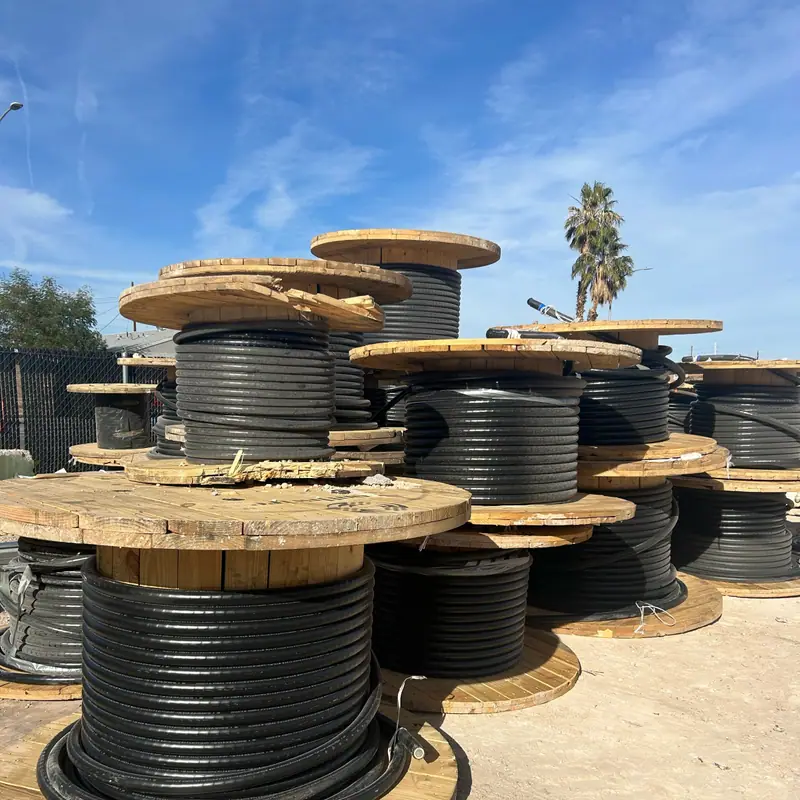
Before clearing a jobsite, separate reusable leftovers from damaged material and general debris. Keep original tags attached where possible, and avoid combining different sizes into unmarked bundles. The easier it is to identify each item, the clearer your offer request will be.
For a larger closeout, make one list showing wire type, size, estimated footage, packaging and condition. Our guide to selling leftover wire after project closeout provides a focused way to organize that work.
We verify the seller and proof of ownership, such as an invoice, purchase order, closeout paperwork or company letter, and keep a written record of each purchase. Review the Texas wire seller paperwork guide before arranging a sale.
Get a Written Offer for Leftover Wire Anywhere in Texas
To sell surplus electrical wire, send your photos and material list or footage estimate through our offer request form, by email to industrial832@gmail.com, or call 951-403-5738 to discuss the lot. Include the material's location and describe how it is packaged.
We review the material and make a written offer before pickup. Payment method and timing are confirmed in writing before pickup, and we check the received count against the written terms. This gives you a defined agreement before the material changes hands.
We arrange pickup anywhere in Texas. You can also drop off by appointment at Texas Wire Buyers, 6402 McGrew St, Houston, TX 77087, in southeast Houston near I-45 and Loop 610. Call first before bringing wire to the Houston location.