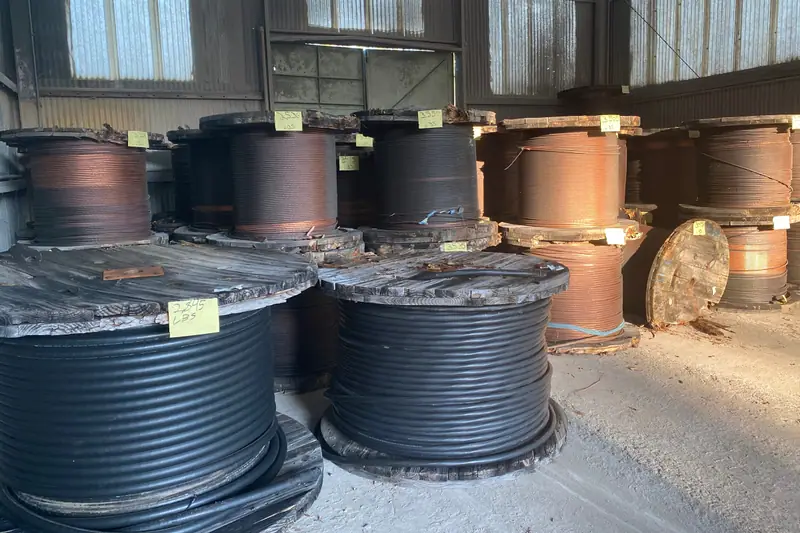
Sell Control Cable Left Over from MCC and Process Work
Control cable often remains after motor control center work, equipment changes or process-control installation. An unused reel or a documented partial reel can still be useful for another installation. We review new and unused material, along with used cable that remains in reusable condition, rather than buying it as scrap.
If you have surplus multi-conductor control cable, keep each construction separate in your inventory. A 7-conductor cable is not interchangeable with a 19-conductor cable simply because both are #14 AWG and rated 600V. Send the details through our offer request form, or call 951-403-5738 to discuss the lot.
Identify the Conductor Count, Gauge and 600V Rating
Useful descriptions include 7/C #14, 12/C #14 and 19/C #14, followed by the voltage rating and any construction markings visible on the jacket. The conductor count describes the wires within the cable; the AWG size describes each conductor. Copy the actual markings rather than relying on the cable's outside diameter.
Color-coded insulation and printed conductor numbers help identify individual circuits. Show those details at an existing cut end, along with any visible shielding, drain wire or overall jacket information. As control cable buyers, we need enough information to distinguish one construction from another before preparing an offer.
A reel tag can provide the manufacturer's description, footage and product identification. Our guide to reading a wire reel tag explains which fields to photograph. If the tag and jacket disagree, send both and point out the difference rather than choosing one.
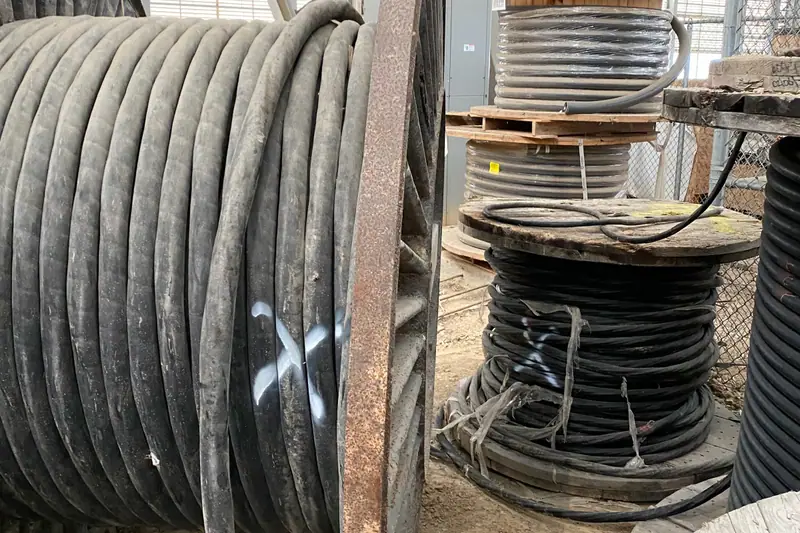
Full Reels, Partial Reels and Separate Control-Cable Lengths
We review full reels, partial reels, boxed coils and cut lengths from businesses with excess inventory. Cancelled-order material, distributor overstock and project leftovers are all worth documenting. Keep original packaging and tags with the cable whenever possible, even if the original reel quantity is no longer accurate.
For partial reels, distinguish confirmed footage from an estimate. List separate lengths individually: several short pieces do not provide the same installation options as one continuous length. Label re-reeled cable with the information you can support, and note any splices or uncertain lengths.
Our partial reels and cut lengths guide covers how to organize these lots. Do not cut a longer reusable length into smaller pieces just to make it easier to count or transport.
Have reel tags or a footage list? Send photos and we will review the lot.
Get an offerPhotos That Show Whether Control Cable Is Reusable
Start with a whole-lot photo so we can see the number of reels, coils and loose lengths. Then photograph each reel tag, a readable section of jacket print and an existing cut end. Clear close-ups help connect the conductor count and size to the correct reel.
Tell us about jacket cuts, crushed sections, exposure to heat or chemicals, missing markings and other known damage. For used cable removed from service, describe its previous application and how it was removed and stored. Age alone does not establish whether a cable is reusable.
You can follow our wire photography guide when preparing the pictures. Keep the cable insulated and intact for review; stripping it removes the product construction we need to assess.
Separate Control Cable from Similar Industrial Cable
A black outer jacket does not identify a cable's application or rating. Control cable can carry tray ratings, but you should report TC or TC-ER only when those markings appear on the product. Include all visible ratings rather than describing every multi-conductor reel as the same type.
If your inventory includes tray-rated constructions, see our tray cable page. Keep shielded pairs and triads separately identified for our instrumentation cable review, particularly when the lot also contains larger multi-conductor control cable.
Mixed plant inventory is easier to review when each line has its own description, footage and matching photos. You do not need to resolve every classification yourself; send the markings and clearly note what you cannot confirm.
Control-Cable Value Depends on Usable Product
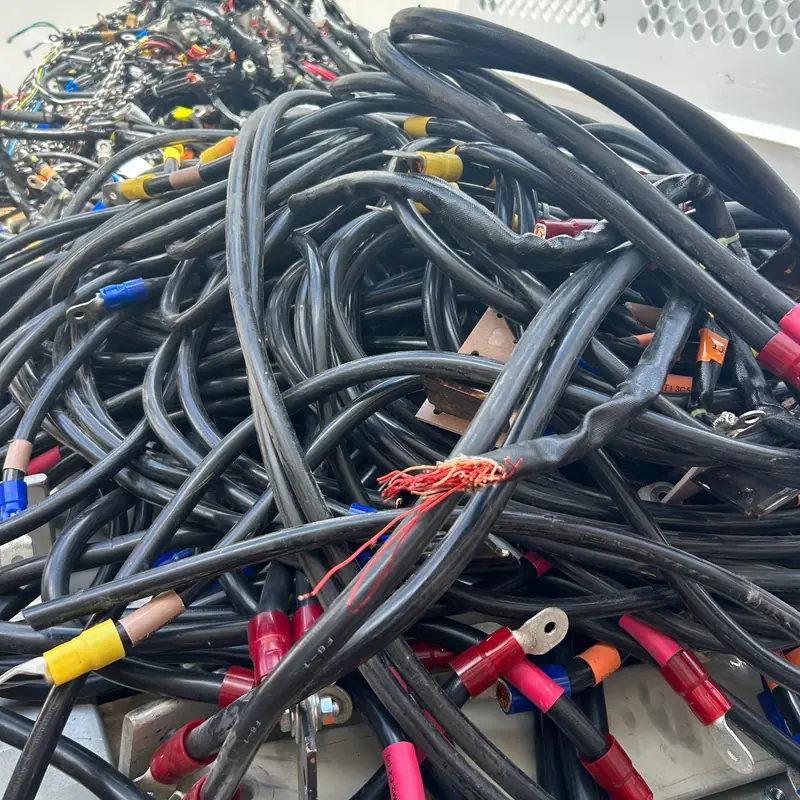
Reusable wire is usually worth more sold as product than sold as scrap by weight because the buyer is paying for usable cable, not just its metal content. Conductor count, gauge, ratings, condition and continuous footage help determine whether your material has a practical reuse opportunity.
A clean, identifiable reel gives us different information from an unmarked bundle with unknown lengths. Original tags help, but they must describe the cable actually present. Our explanation of surplus wire value versus scrap price outlines that distinction.
We make a written offer after reviewing your lot. If the cable is not reusable, we say so honestly; it may belong with a scrap recycler instead.
Texas Pickup and Houston Drop-Off for Control Cable
Send your photos and inventory by email to industrial832@gmail.com, through the online form, or contact us by phone. We review the material and make a written offer before pickup. Payment method and timing are also confirmed in writing before pickup.
We verify the seller and proof of ownership, such as an invoice, purchase order, closeout paperwork or company letter, and keep a written record of each purchase. See our Texas seller paperwork guide for preparation details.
We arrange pickup anywhere in Texas, or you can drop off by appointment at 6402 McGrew St, Houston, TX 77087, in southeast Houston near I-45 and Loop 610. Call first before bringing cable. At pickup or drop-off, we check the count against the written terms.