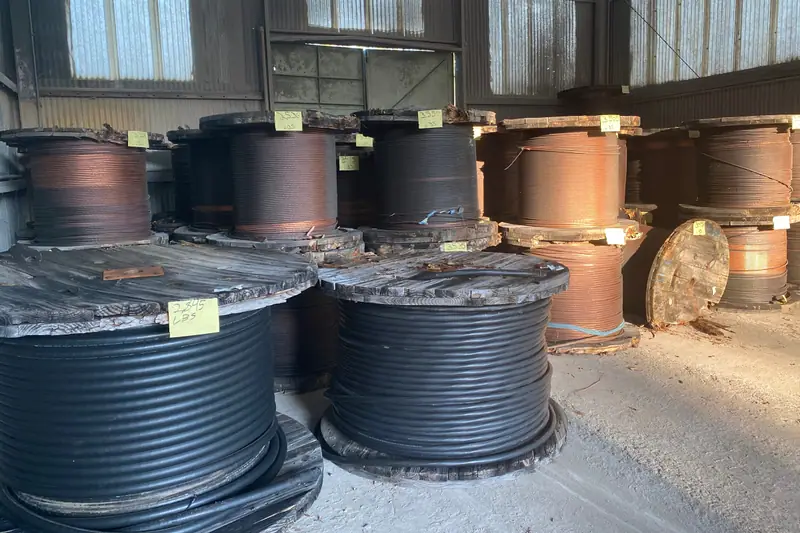
Sell instrumentation cable as usable plant material
Instrumentation cable carries measurement and control signals between instruments and plant systems. Its conductor arrangement, shielding and electrical ratings matter to a buyer looking for usable product. We buy reusable surplus from cancelled orders, completed projects, distributor overstock and plant inventory, including new and unused material and used cable that remains suitable for reuse.
Keep the jacket, shields and identification intact rather than stripping the cable. Reusable wire is usually worth more sold as product than sold as scrap by weight because the buyer is paying for usable cable, not just its metal content. Our guide to surplus wire value versus scrap price explains that distinction.
Shielded pairs, triads, PLTC and ITC cable
For instrument cable buyers, two reels with similar outside diameters may represent different products. A single twisted pair differs from a multipair construction, and overall shielding differs from individual pair shields. Photograph the jacket legend and tag so we can identify what you have without guessing from appearance.
Include the conductor size, number of pairs or triads, manufacturer and part number when available. Copy PLTC, ITC, voltage, temperature and other markings exactly as printed; do not assign ratings based on where the cable was installed. If your lot also contains control cable, list it separately so each construction can be reviewed.
- Show overall foil or braid shields and any individual pair or triad shields at an existing cut end.
- Include drain wires, conductor colors and printed pair identification in close-up photos.
- Separate different part numbers and constructions instead of combining them under one footage total.
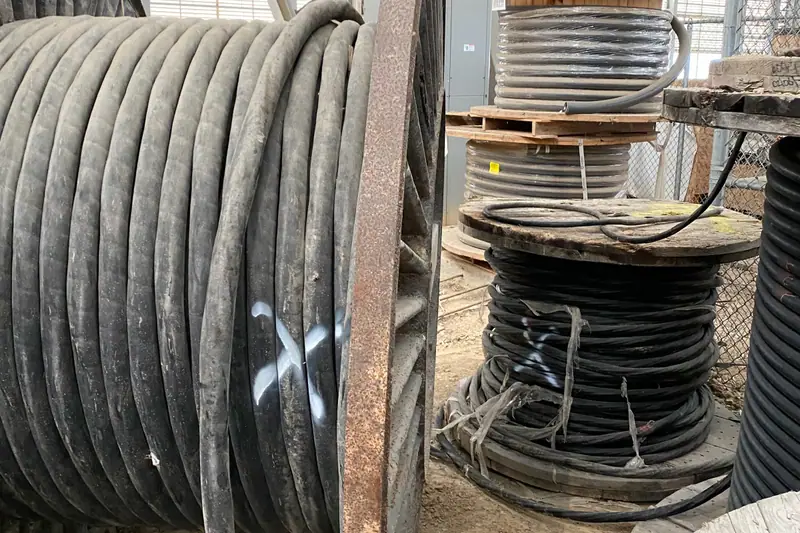
Identify surplus thermocouple wire before combining lots
Surplus thermocouple wire needs more identification than a general description such as two-conductor cable. Tell us the thermocouple or extension designation shown on the packaging or jacket, along with conductor size, insulation markings and shielding. Different conductor alloys and insulation constructions are not interchangeable simply because the cables look alike.
Keep manufacturer labels with each reel or coil, especially when several similar items came from the same instrument project. Photograph the printed designation rather than relying only on conductor colors. For an unmarked cut length, say what is known and what is uncertain; do not relabel it from memory.
Have reel tags or a footage list? Send photos and we will review the lot.
Get an offerFull reels, short leftovers and removed instrument cable
We review full reels, partial reels, boxed coils and cut lengths. Give a separate footage figure or estimate for each item, and identify whether that figure comes from a tag, jacket footage marks or an inventory record. For partial reels and cut lengths, the usable continuous length matters more than a combined total of unrelated pieces.
Used instrumentation cable can be considered when it is still in reusable condition. Tell us about its prior installation, storage and any known damage, splices or missing markings. Include photos of jacket wear, crushed areas, exposed shields or damaged ends rather than showing only the cleanest section.
Keep removed cable separated from new surplus and avoid cutting longer lengths merely to simplify handling. If the material is not reusable, we will say so honestly; a scrap recycler may be the appropriate destination.
Instrumentation leftovers from refineries and process plants
Refineries, petrochemical plants and other process facilities use instrumentation wiring for measurement and control systems. A project closeout can leave several similar-looking reels with different pair counts, shielding arrangements or temperature ratings. Preserve those distinctions when preparing your surplus list.
For material in a laydown yard or plant storeroom, group reels by part number and photograph each group before moving it. Note which reels are accessible and which require coordination for collection. Our information for refinery, petrochemical and LNG sellers covers surplus from these operations.
Keep loose coils identifiable and protect exposed cable ends during storage. Tell us if tags are unreadable or reels have been stored outdoors so we can review the condition shown in your photos.
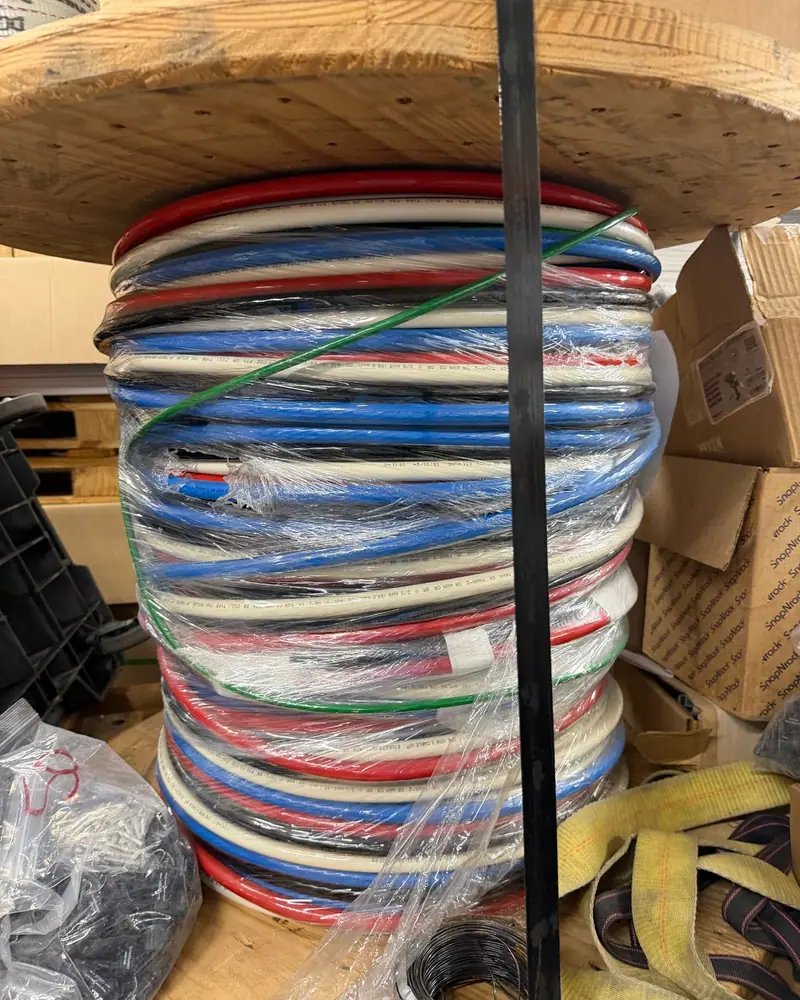
Photos and footage for an instrumentation cable offer
Send your list or footage estimate with photos of the whole lot, reel tags, jacket print and existing cut ends. A readable manufacturer part number helps distinguish shield construction and conductor details that may not be obvious in a wide shot. Our wire reel tag guide shows which label details to capture.
Call 951-403-5738, email industrial832@gmail.com or use the offer request form. We review the information and make a written offer before pickup. Payment method and timing are confirmed in writing before pickup as well.
We verify the seller and proof of ownership, such as an invoice, purchase order, closeout paperwork or company letter, and keep a written purchase record. See the Texas wire seller paperwork guide for documentation details.
Texas pickup and Houston drop-off for cable reels
We arrange pickup anywhere in Texas. Tell us the pickup address, reel or coil count and any known dimensions or weights, along with loading access and site requirements. Our Texas service area information explains statewide collection.
You can also drop off by appointment at 6402 McGrew St, Houston, TX 77087, in southeast Houston near I-45 and Loop 610. Call first to arrange the visit rather than arriving with an unreviewed load. At pickup or drop-off, we check the count against the written terms.